Gender Studies at Wabash College traces its formal history to 1985. However, college faculty and staff organized activities and taught courses relevant to gender studies dating back to the early 1980s.
Dr. Warren Rosenberg (English), for example, taught a course on women in film and literature in 1982. In 1983, on-campus workshops focused on “integrating women into the liberal arts curriculum.”
In 1985, the faculty unanimously voted to form a new committee, the Women’s Studies Coordinating Committee. Its major objective was “to enrich the curriculum and the quality of life at Wabash by encouraging perspectives which recognize and actively address issues of gender.”
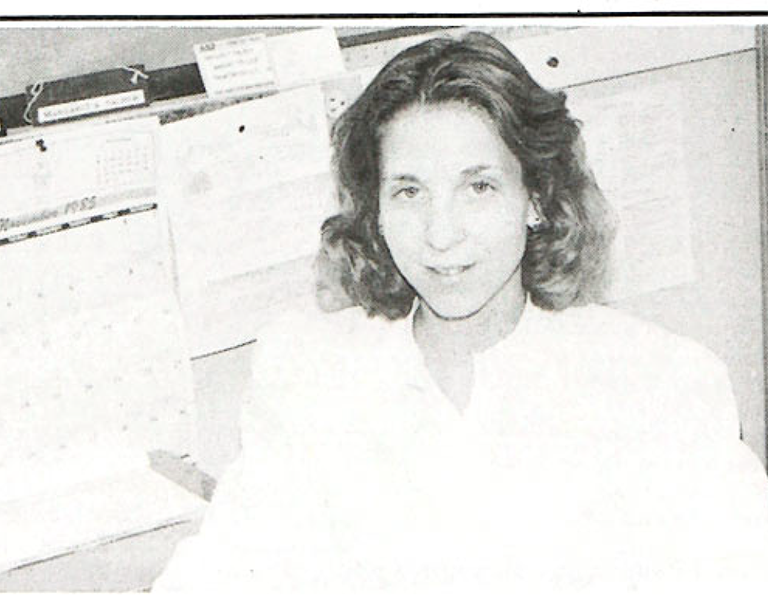
First chaired by Dr. Margaret Palmer (biology), the committee quickly became active, showing films, organizing a feminist theory discussion group, and coordinating an annual “Women’s Week,” beginning in March 1986, to coincide with National Women’s History Week.
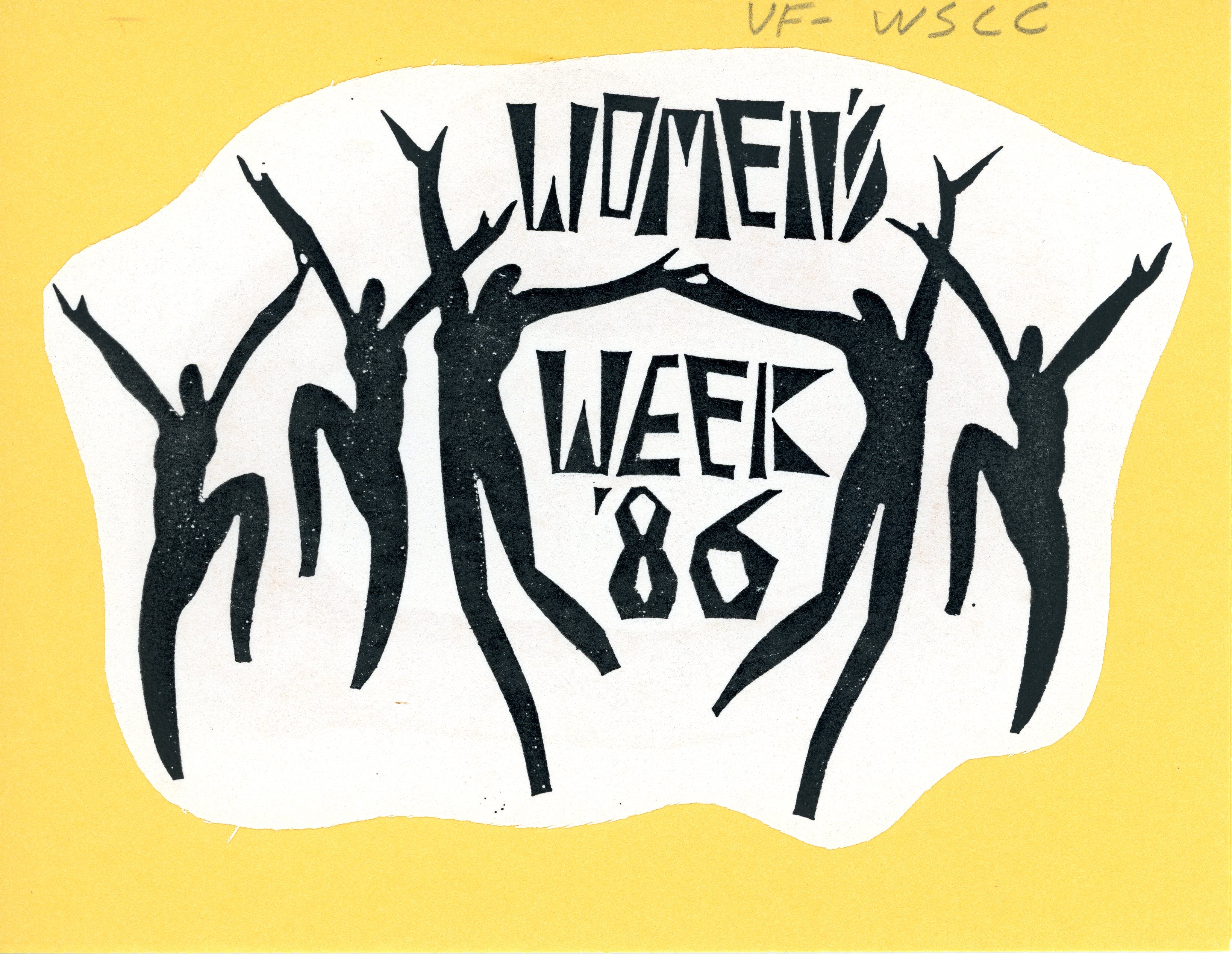
Design by Laura Connors.
In 1993, the Women’s Studies Coordinating Committee changed its name to the Gender Issues Committee and was charged with making “knowledge of gender issues an integral and self-conscious part of the intellectual life of the College.” As part of that work, the committee developed Gender Studies as an “Area of Concentration.” First officially offered in 1998, the area of concentration consisted mostly of gender-oriented classes across a variety of departments.
Over the years, the Gender Issues Committee arranged panel discussions, a Brenda and Peter Bankart Gender Speaker Series, a local rendition of The Vagina Monologues, and visits from such groups as the Guerrilla Girls, activists like Jackson Katz, scholars including Michael Kimmel, Harry Brod, journalist Eleanor Clift, playwright Eve Ensler, and many more.
In Spring 2013, the college approved Gender Studies as a minor. Professor of Philosophy Adriel Trott taught the college’s first offering of GEN 101 Introduction to Gender Studies in Spring 2016 to support the minor.
In Fall 2016, Dr. Trott helped form and first chaired a new Gender Studies Minor Steering Committee to oversee and develop the Gender Studies minor as an academic program. Now separated, the Gender Issues Committee shifted its focus in 2016 to align with the original mission of the Women’s Studies Coordinating Committee.
Today, the Gender Studies Minor Steering Committee continues to support the academic program, with a dynamic faculty contributing diverse and exciting courses.
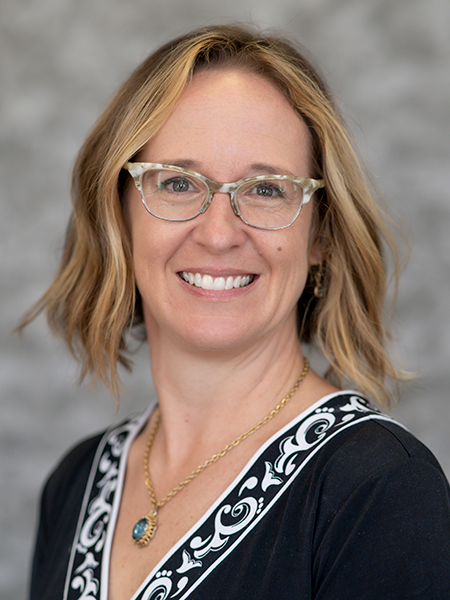
Dr. Adriel Trott.