
October 10th marks World Mental Health Day, but at Wabash College, the conversation no longer waits for a designated date.
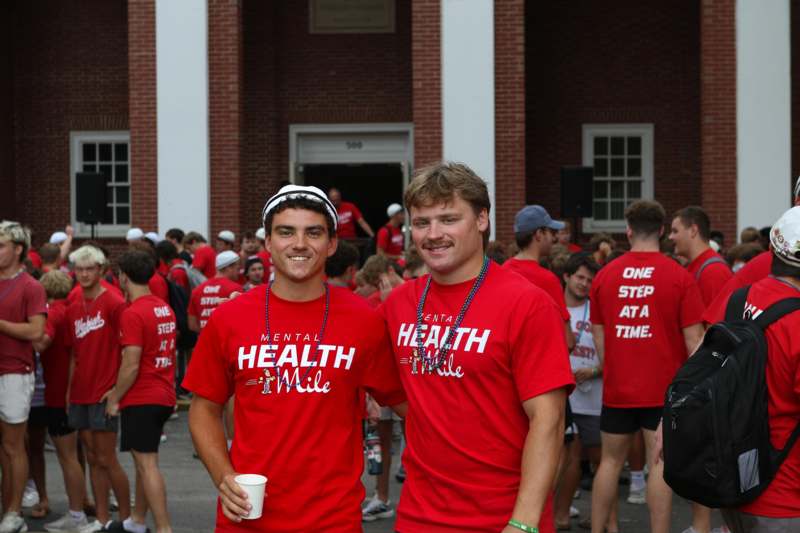
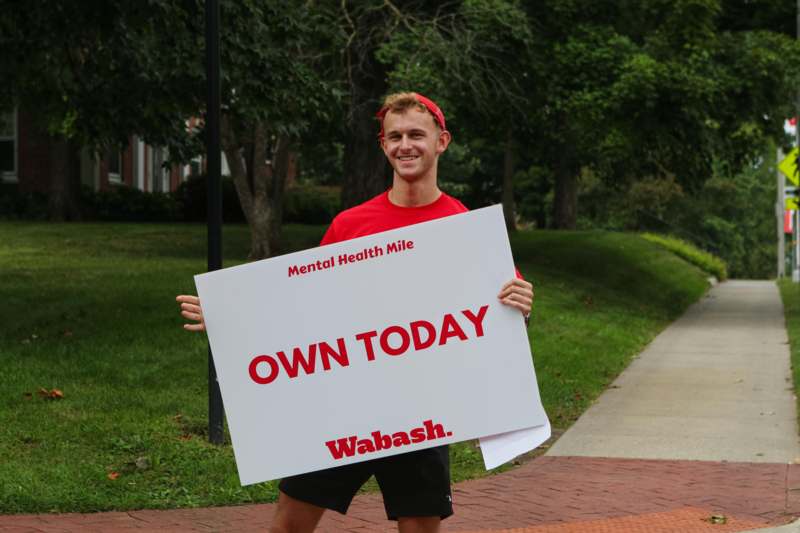
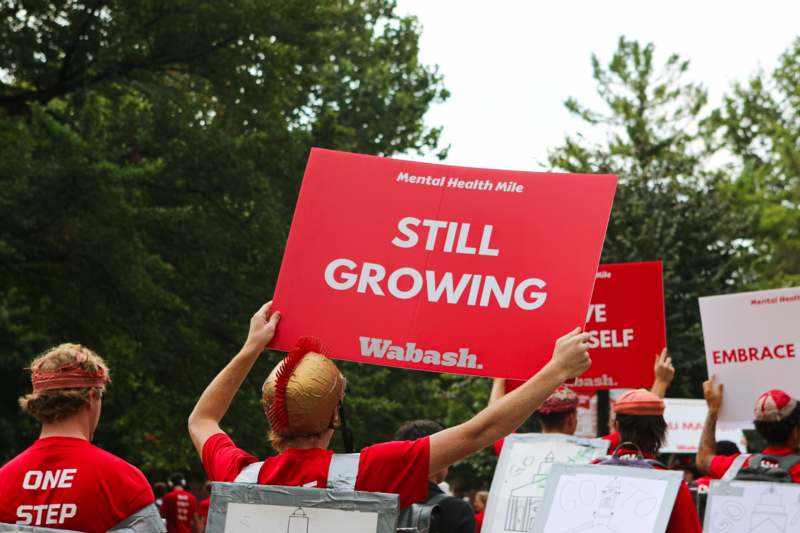
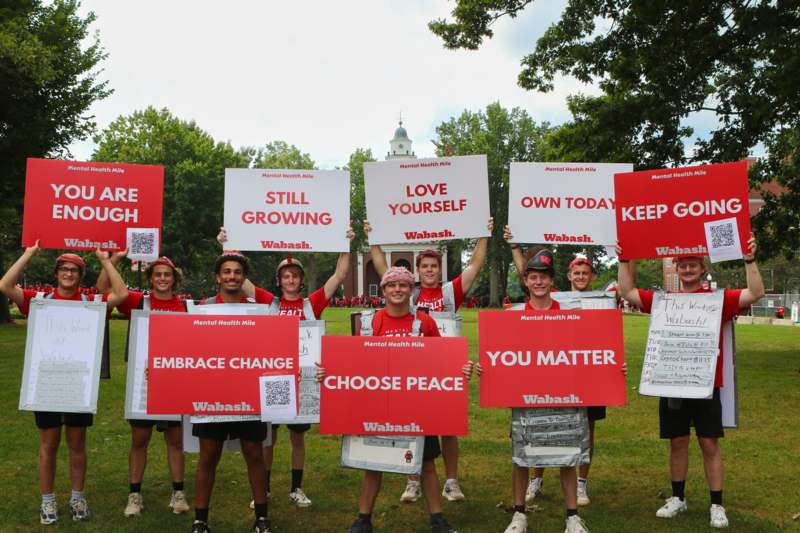
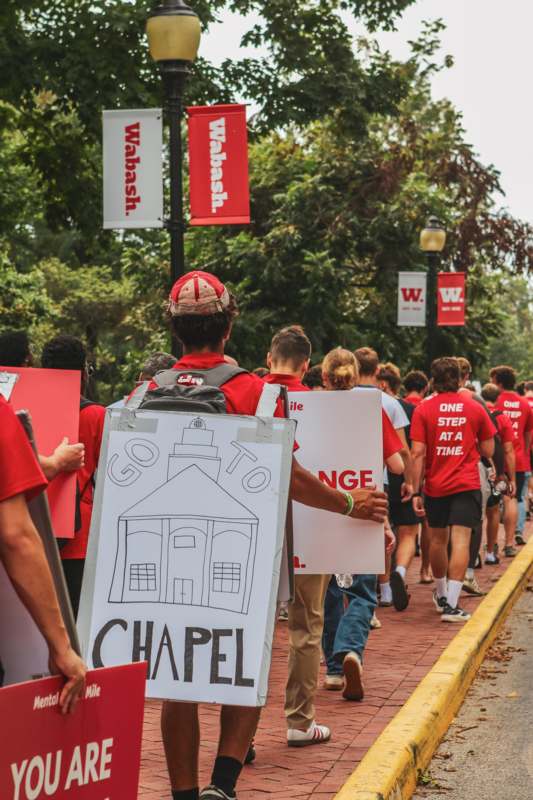
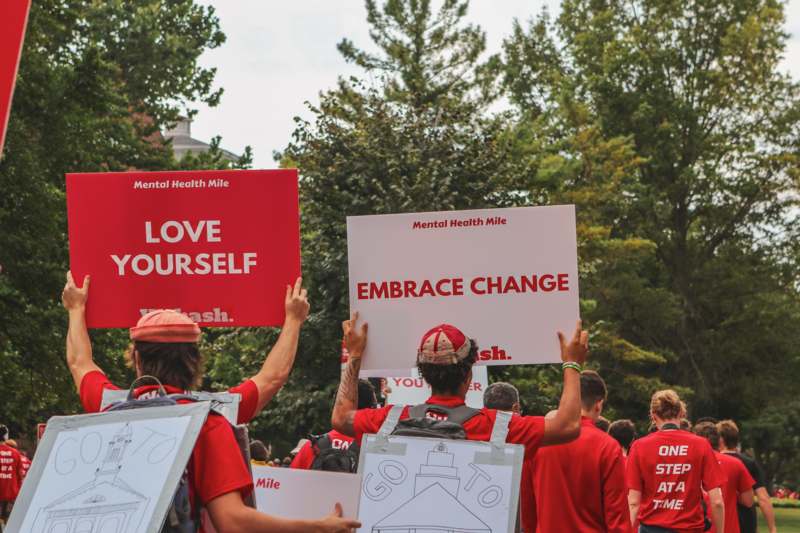
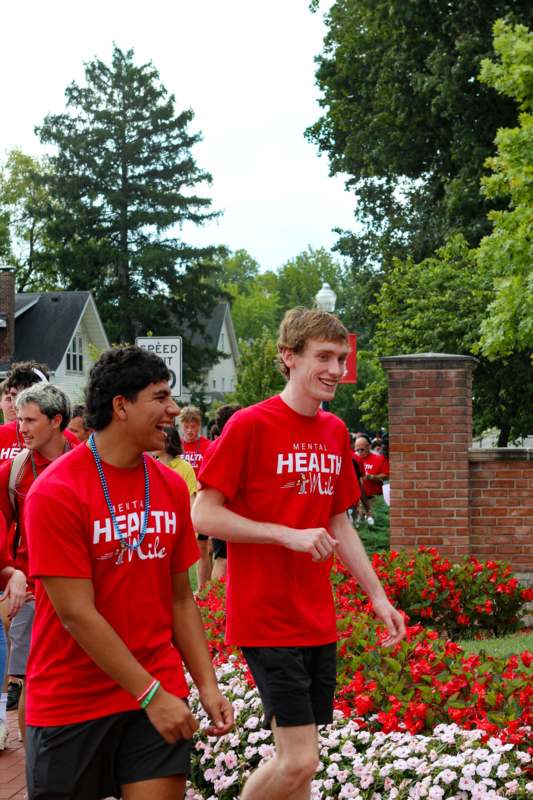
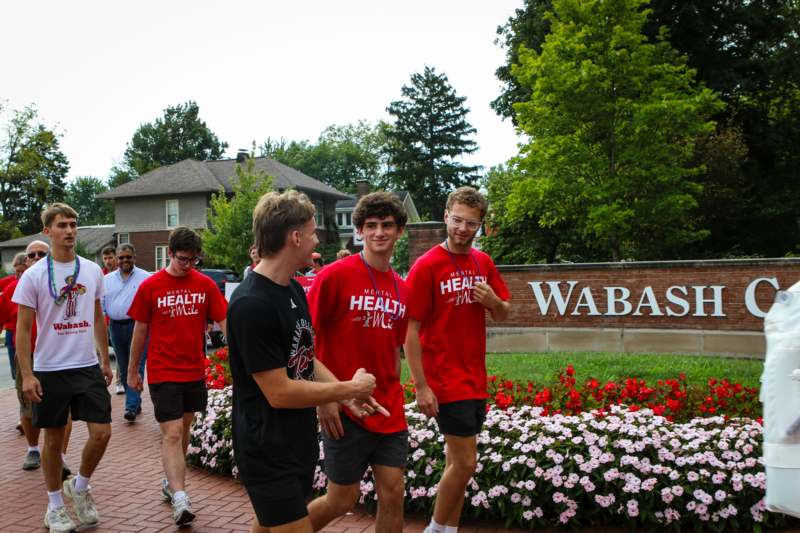
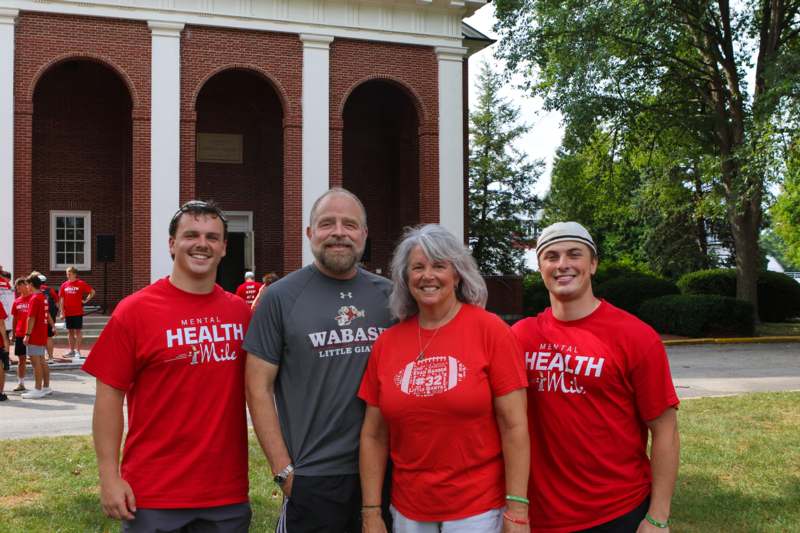
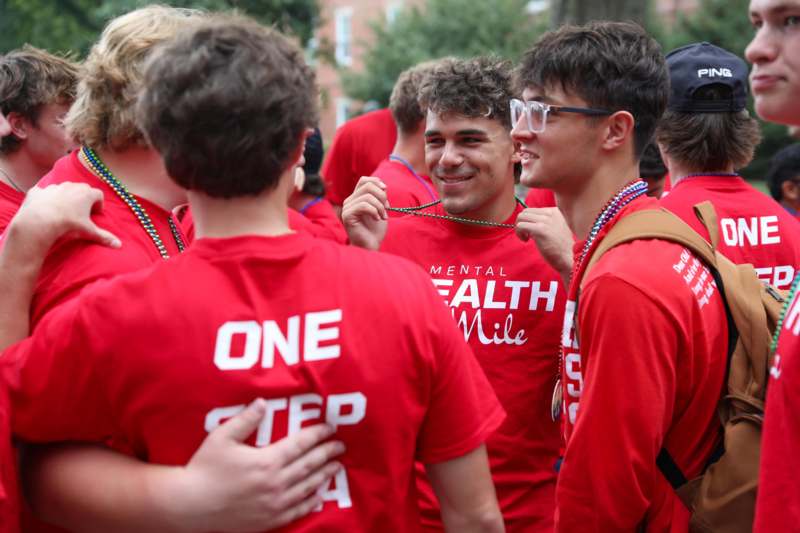
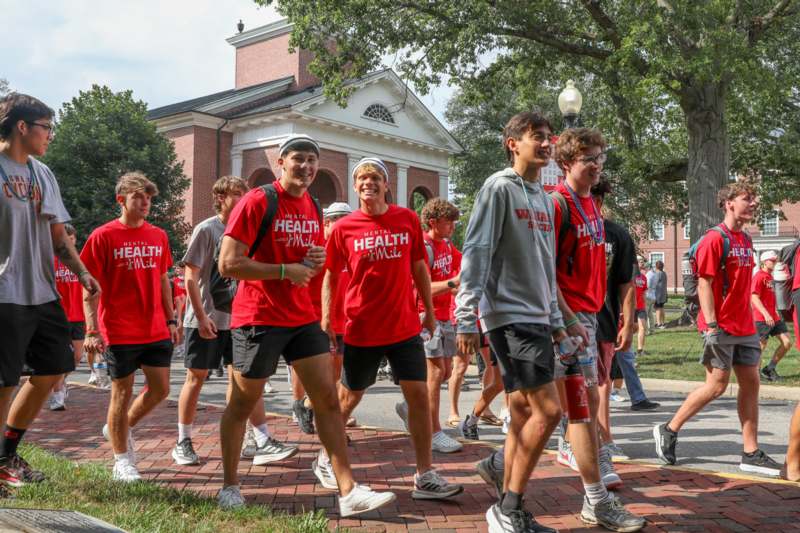
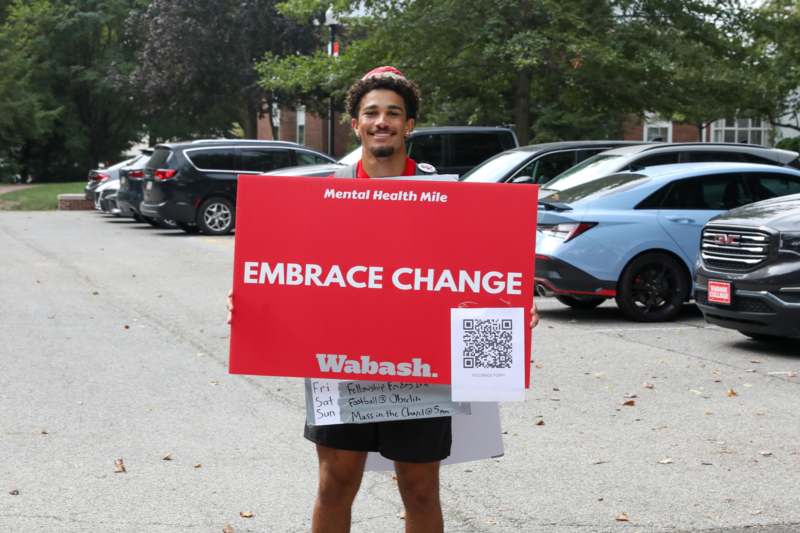
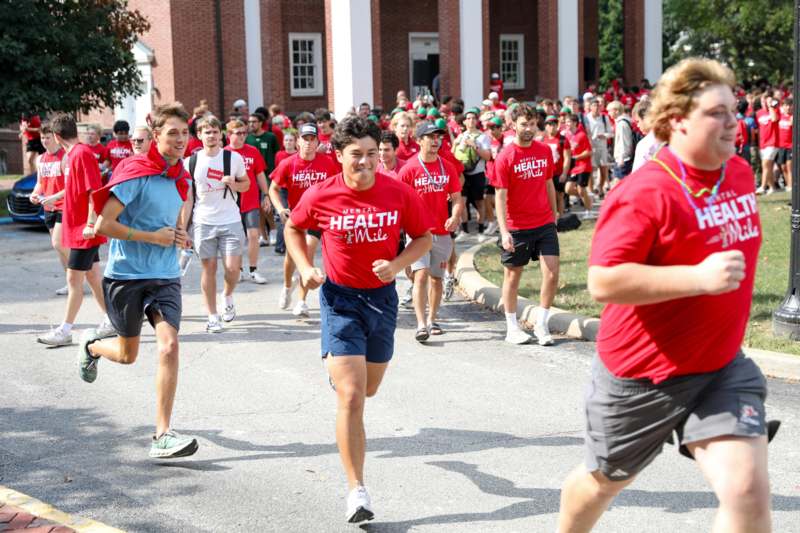
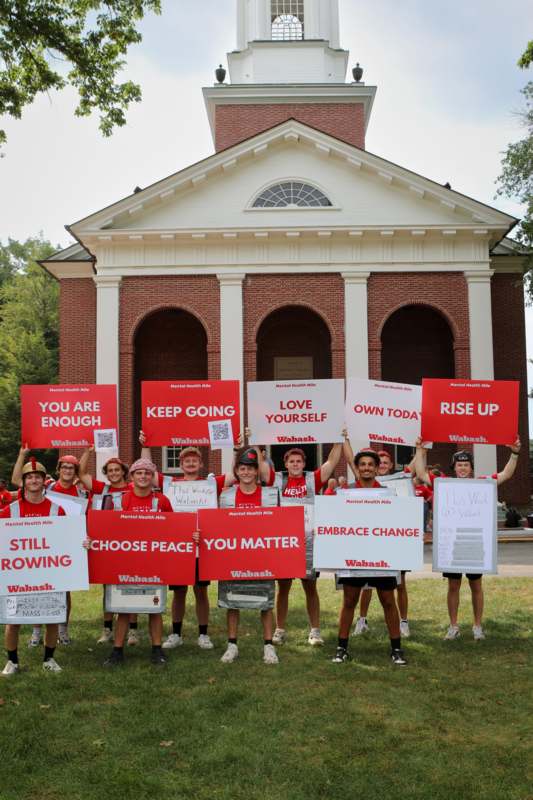
There are still highly visible events like September's Mental Health Mile — the campus-wide suicide prevention walk held in memory of Austin Weirich '18 and Evan Hansen ’19 — but in recent years, efforts have shifted toward a sustained culture of care, framed by the college's institutional resources and advanced by the grassroots work of student leaders.
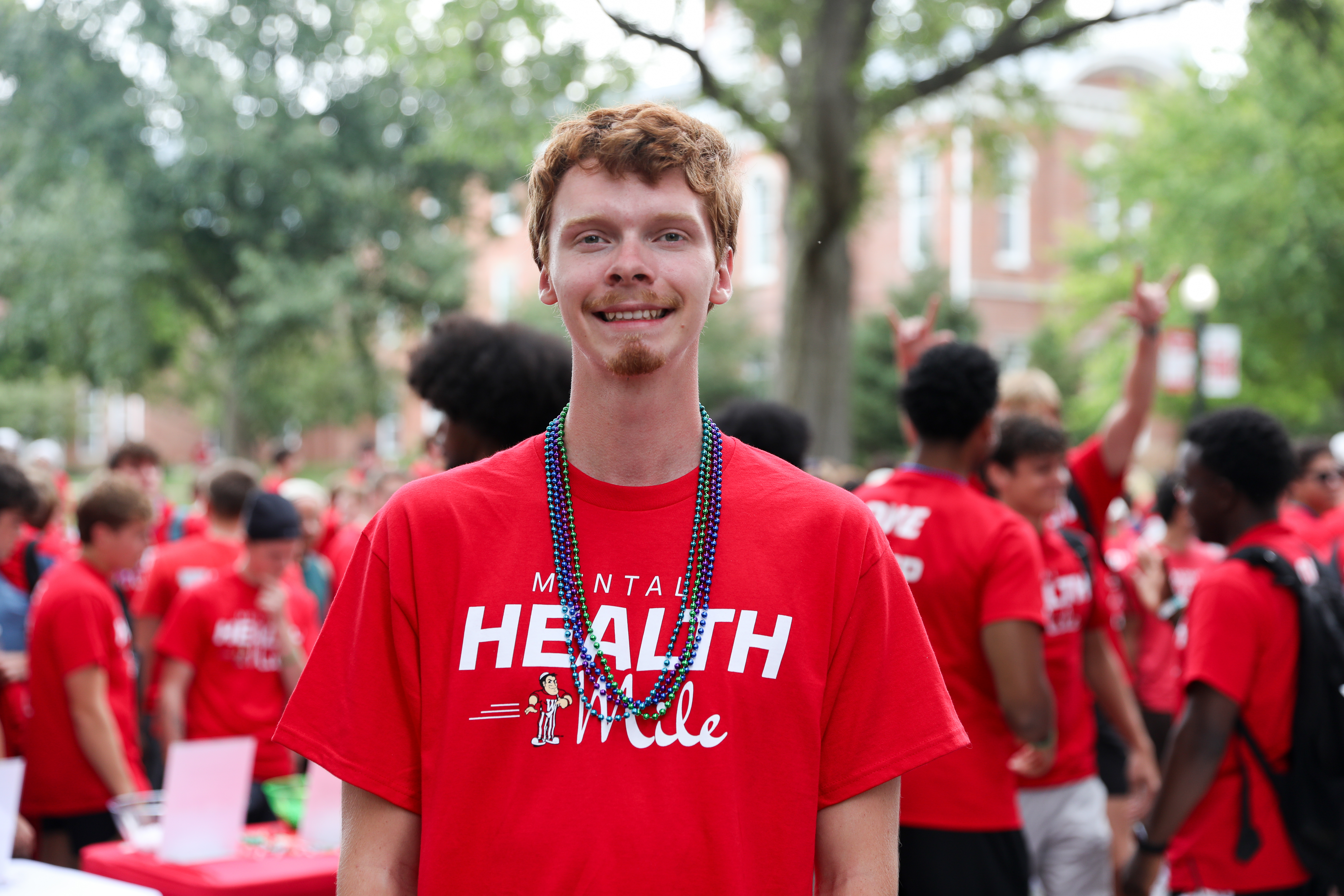 Psychology major Sawyer Lewis '28 has been part of the effort. A member of Wabash's peer health cohort, Lewis wore purple beads at this year's Mile, representing the loss of a friend or loved one.
"In middle school I had a friend who died by suicide," Lewis said. "Ever since then, I've wanted to bring awareness to all things mental health, because if you're not mentally right, then nothing else in the world is going to feel right.
"These conversations are hard, but if we can get people together like this and talk about it without stigma, we can create a positive environment," he continued.
That conviction is what led him to peer health education — a campus-wide cohort of nine students trained to connect their peers with resources, overseen by Student Development and Wellness Coordinator Tristen Myers. Now in its fourth year, the group was built to close a gap that exists on many college campuses between the resources an institution offers and students' ability or willingness to find them.
"The whole idea of the peer health educators is the peer-to-peer implementation," Myers said. "Resources are readily available, and our students create the programming and environment to ensure they are accessible and approachable."
According to the Healthy Minds Network's 2025 survey, the share of college students reporting symptoms of depression or anxiety has climbed from 31 percent in 2014 to 46 percent today. Men and women report knowing about campus mental health resources at nearly identical rates — but only 28.4 percent of men with a diagnosed condition sought counseling or therapy in the past year, compared to 40.5 percent of women. The same gap shows up in informal help-seeking, too: just 59.6 percent of men said they'd turned to a friend, roommate, or professor for support, compared to 71.7 percent of women.
Zachary Baty '29, a biology major and neuroscience minor currently conducting a mental health study with Professor Neil Schmitzer-Torbert, said the biggest obstacle isn't a lack of resources — it's the belief of students that they should not need them.
"I think it's the idea that they can handle everything on their own that keeps people from reaching out for help," Baty said. "You don't have to carry it all by yourself."
For Diego Banuelos '27, a double major in political science and history, that obstacle is heightened by Wabash's identity as an all-male institution.
"Being on an all-male campus, it's important to remind people it's okay to not feel okay," he said. "If you're struggling, find an advisor you feel
comfortable talking to, or a friend or a brother, and they will hear you out and send you to the right resources."
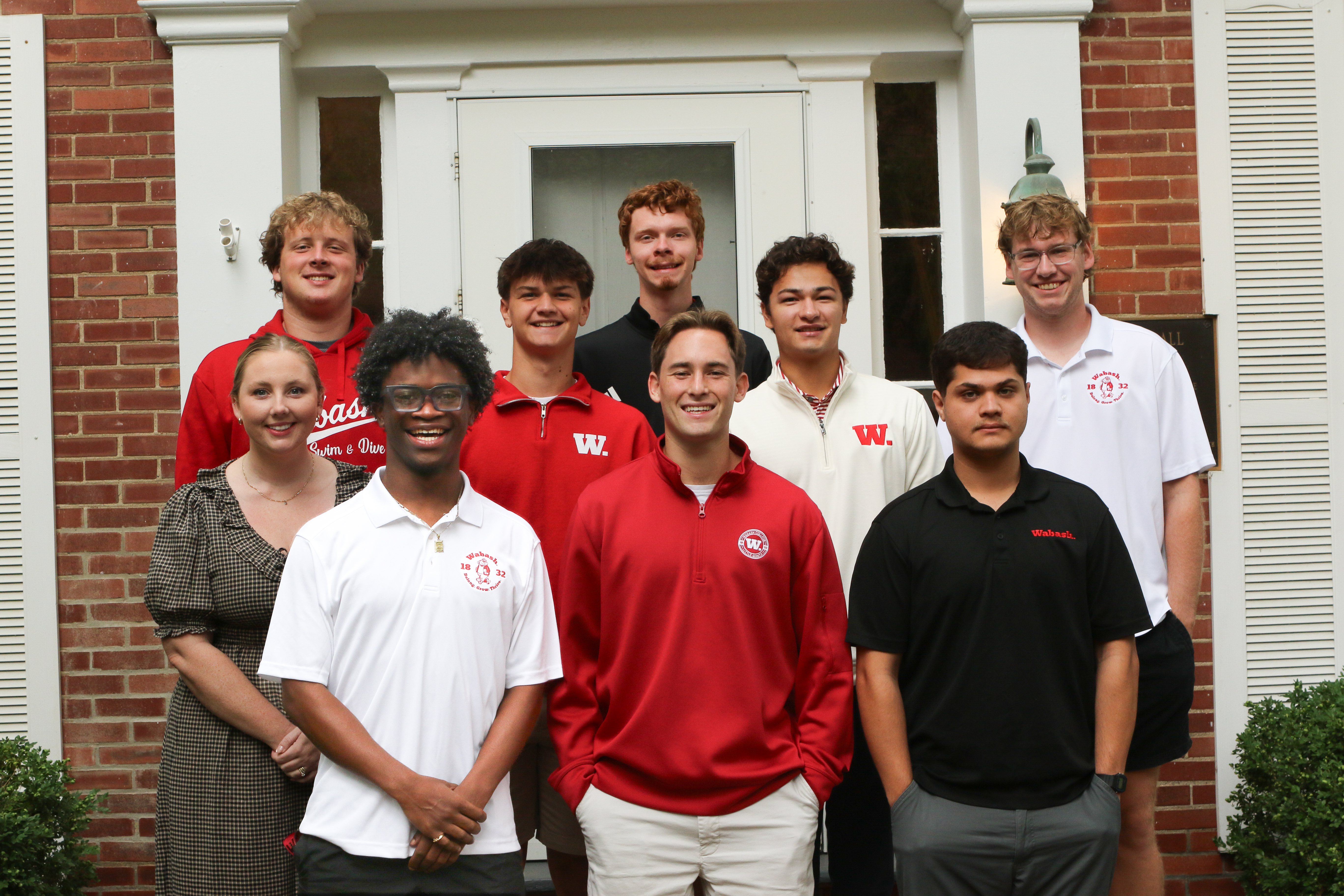
Behind the peer-to-peer effort sits a more traditional resource: the Counseling Center at the Kendall House, led by Director Keri Francis. What distinguishes it from off-campus options is how few barriers stand between a student and an appointment.
"We have a lot of flexibility because we don't bill insurance and we don't have session limits," Francis said. "That allows us to be very student-centered and meet them where they are."
Professional, confidential counseling is free to students while classes are in session, and unlike many providers, where a referral can mean a months-long wait, Wabash students are typically seen within days.
"I feel so very fortunate to be in this environment, that we're able to see students fast," Francis said. "There are never enough providers, so you might wait months for an appointment. But at Wabash, we're able to see students within the week, sometimes within the next day or two."
Francis, who worked in community mental health for several years before coming to Wabash, said she's noticed a generational shift in students' willingness to seek help. The greater issue is identifying when it's time to find support. She encourages anyone unsure whether to reach out to ask a simple question.
"Are you functioning? If you're no longer able to do the things you used to do, ask for help," she said. "Some people can go on and continue to function, but inside, they're really struggling. That can progress to suffering."
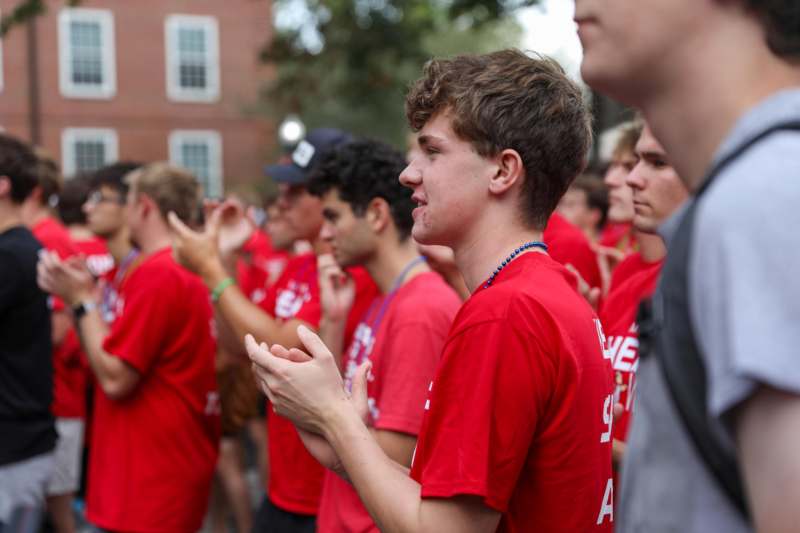
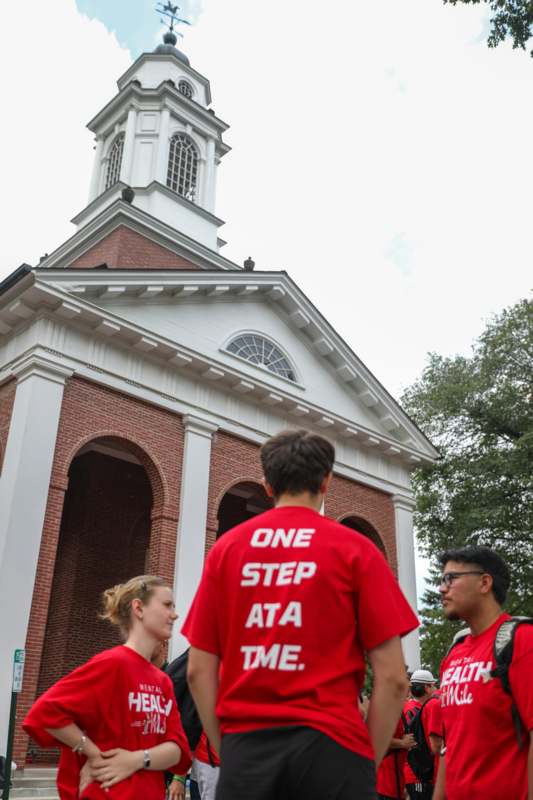
The cultural shift isn't being carried by students alone. Before this year's Mental Health Mile, Professor of Psychology Preston Bost addressed the crowd gathered at the Chapel steps, quoting a line from his former pastor that captured what the effort is working against.
"We are a fellowship of strugglers, even on our best days," Bost said, "and I believe that we can better attain our vision of humane living and heal ourselves if we confront the ways in which superficiality limits how perfect our union can be."
He continued: "You have insisted that the social routines and expectations of 'How are you? I'm fine, and I just need to push through it and be a man and rub some dirt on it' are not a serious approach to the serious challenges of depression, anxiety, insomnia, substance abuse. And you have declared Wabash College very much open."
The Counseling Center
Email: counseling@wabash.edu
Phone: 765-361-5592
Open Monday through Friday during the academic year, generally 9 a.m. to 5 p.m., with some flexibility based on student need. Appointments are free and confidential. Beginning Fall 2026, the Counseling Center will also offer Zoom for Healthcare appointments in addition to in-person sessions. Note: The Counseling Center is not open for client appointments during breaks or summer.
QPR (Question, Persuade, Refer)
A suicide prevention training program offered each fall and spring to students, faculty, and staff. QPR teaches participants to recognize the signs of someone in crisis and how to intervene as a "gatekeeper." More information is available at qprinstitute.com.
The Student Health Center
Located on the second floor of the Allen Athletics and Recreation Center, offering access to physicians, the College nurse practitioner, and additional wellness resources, along with after-hours guidance.
The Dean of Students Office
Located in Center Hall 115, part of what the College describes as an intensely student-centered culture built on close relationships and personalized attention.