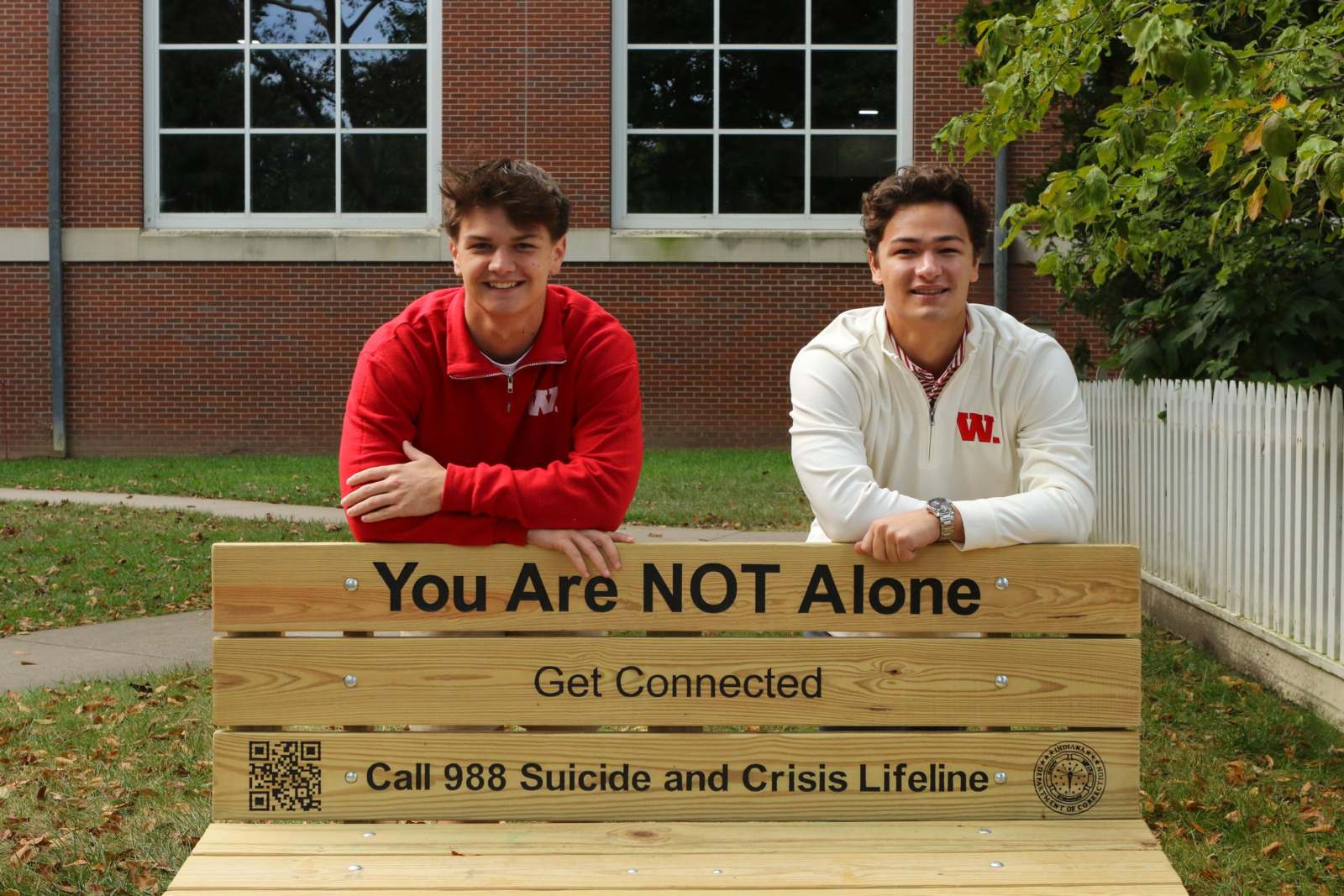
Meet Your Peer Health Educators
Peer Health is a campus-wide cohort of students trained to connect their friends and classmates with campus resources. Now in its fourth year, the group was built to close a gap that exists on many college campuses between the resources an institution offers and students' ability or willingness to find them.
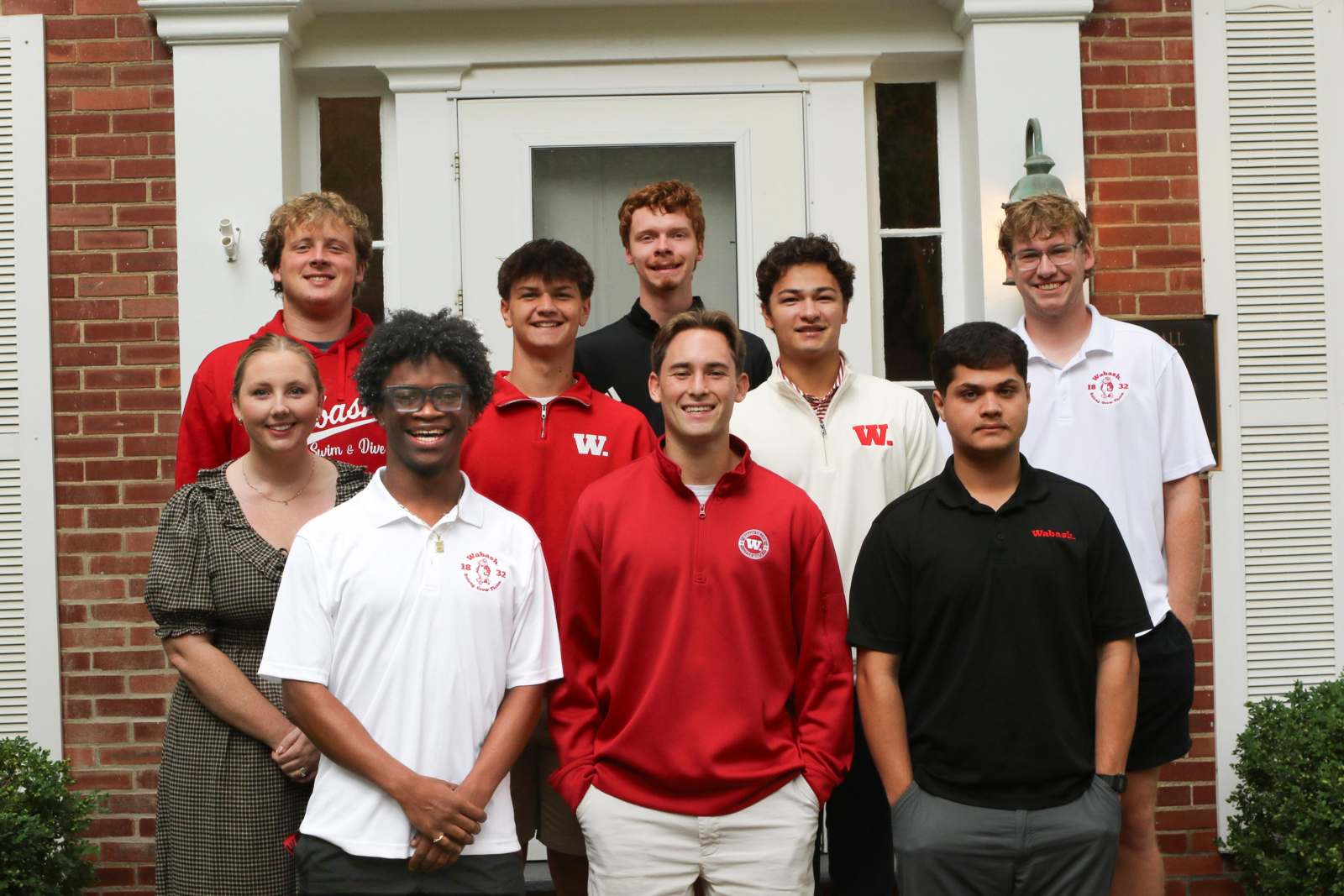
Overseen by Student Development and Wellness Coordinator Tristen Myers (left), the peer health cohort promotes student wellness through education and advocacy on campus.
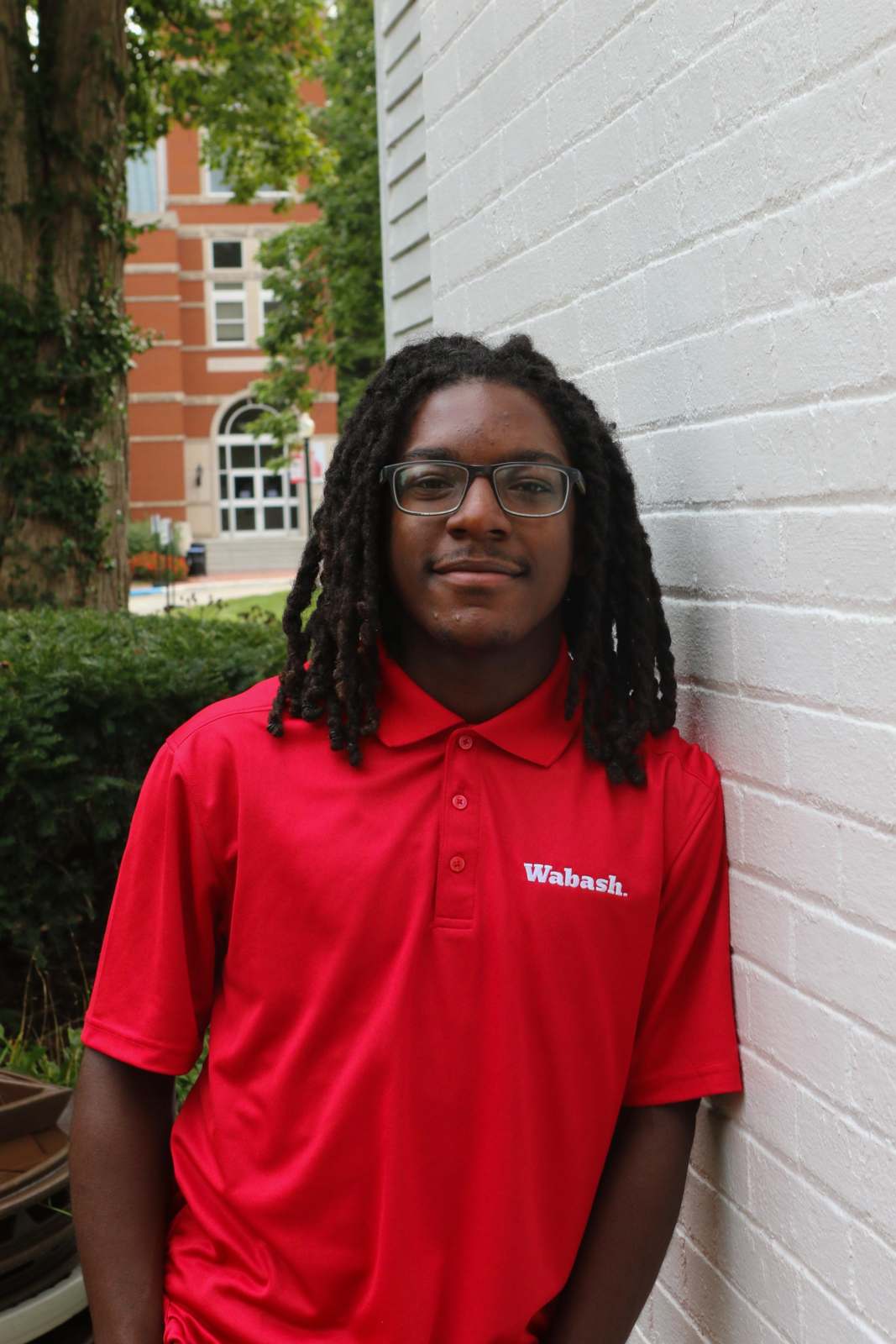
Students can find a peer health educators in every corner of campus, representing a wide range of clubs, living units, and areas of study. Jerrion Rose ’29 is a brother of Phi Gamma Delta (FIJI) from Indianapolis, Indiana. He is majoring in psychology and minoring in mathematics as well as film and digital media. You can find him at the Malcolm Institute of Black Studies (MXIBS), La Alianza events, Glee Club concerts, or jamming as President of the Electronic Music Club.
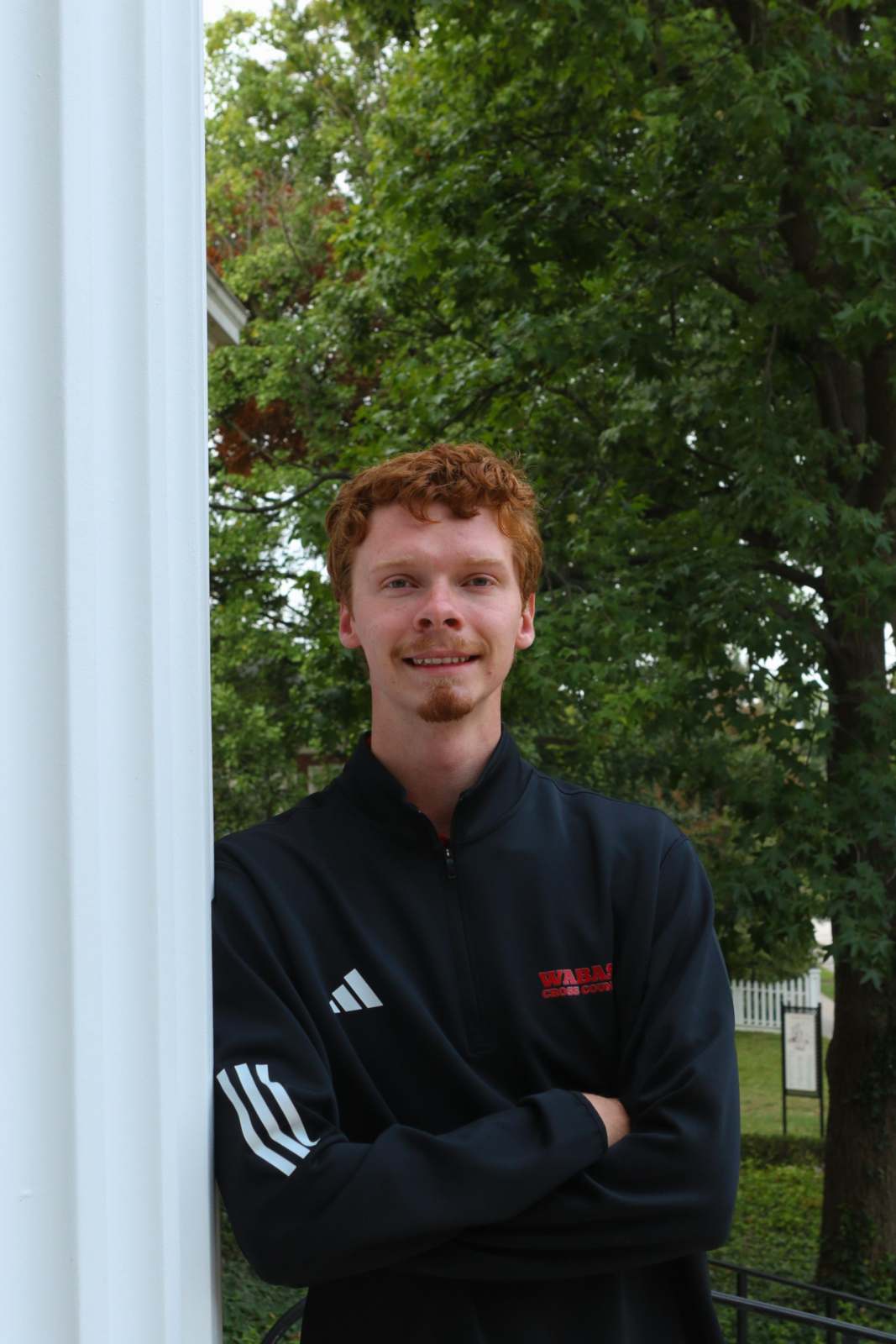
Sawyer Lewis ’28, a psychology major and track and cross country runner, was inspired to advance mental health initiatives following the loss of a friend in middle school.
"Ever since then, I've wanted to bring awareness to all things mental health, because if you're not mentally right, then nothing else in the world is going to feel right. These conversations are hard, but if we can get people together like this and talk about it without stigma, we can create a positive environment," he said.
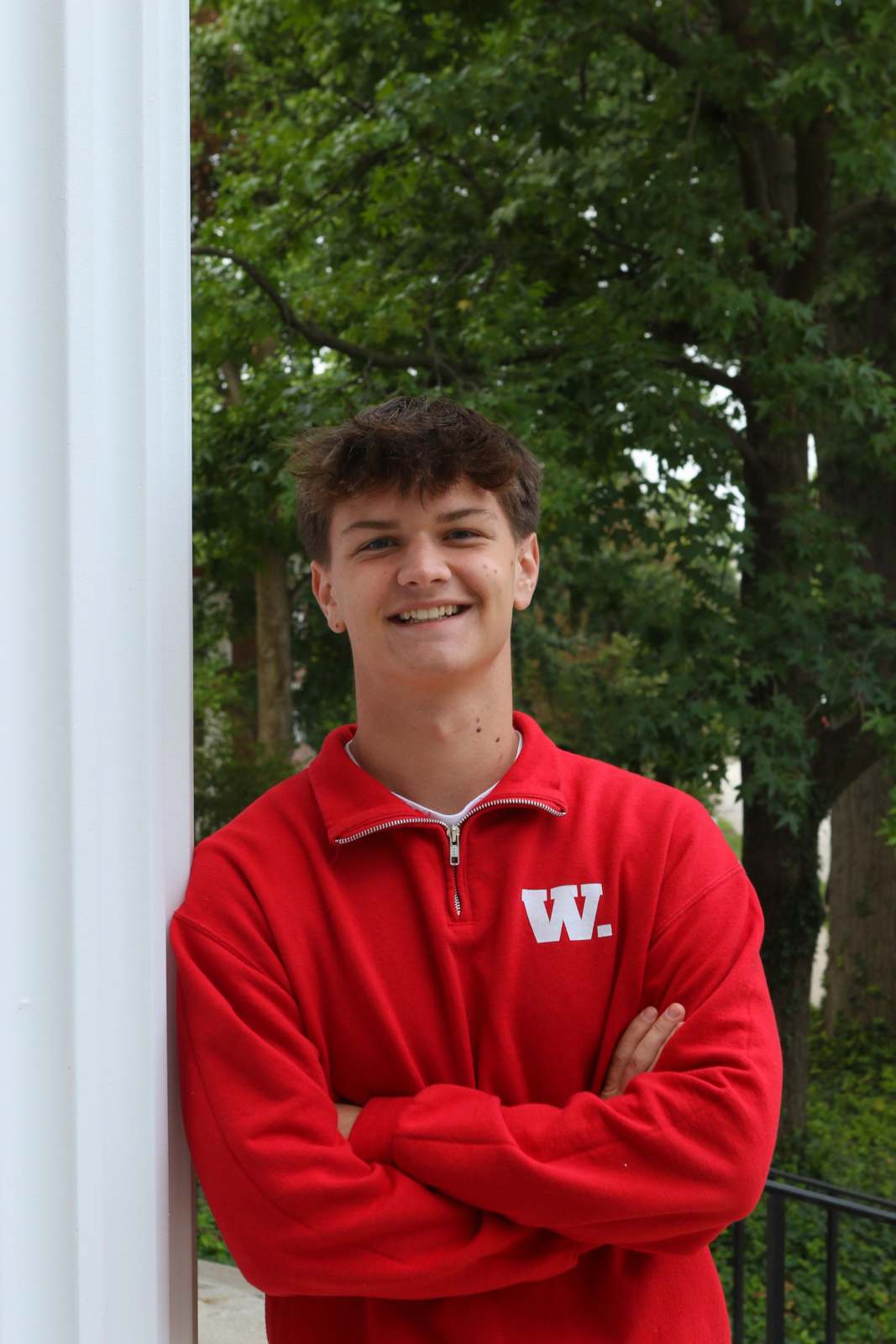
Logan Weinzierl ’29, a brother of Beta Theta Pi studying biochemistry, offered some advice: "If you think you might need help but you don’t know where to start, reach out to one of the peer health educators because we’re here to help and educate. There are a lot of good options: the counseling center, the student health center. If you just need to talk to someone, a lot of professors will open their doors for you, too."
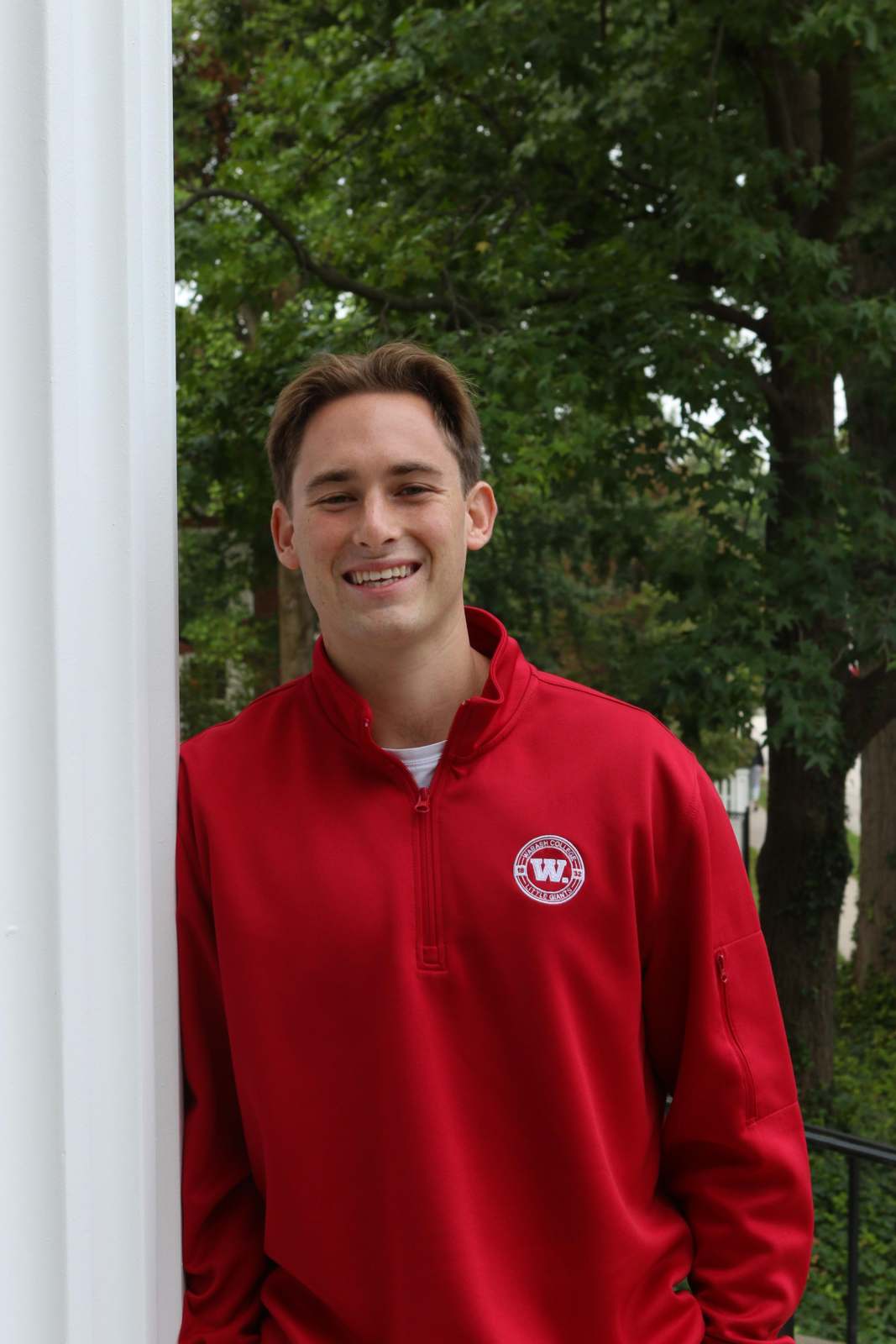
Ryan Bartley ’28 is the lead peer health educator, studying psychology and living at Lambda Chi Alpha. He emphasized his wish for peer educators to be a bridge between their classmates and the resources they need to feel better: "There are so many people on this campus who are waiting to help you. And if you need help finding that help, we're here."
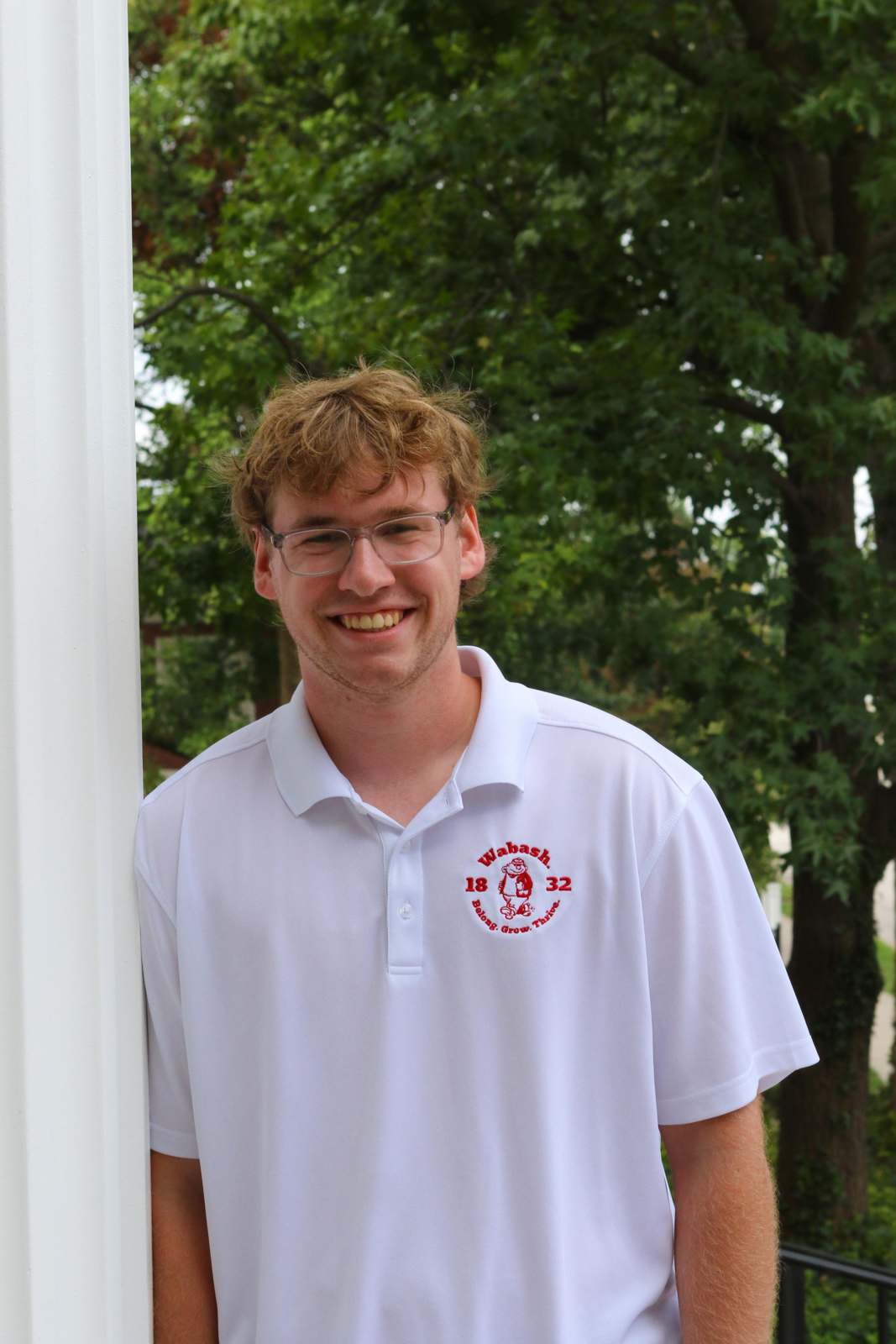
Ty Murphy ’27 is an English major minoring in education studies. You can find him behind a camera on the broadcast crew, working late nights as managing editor of The Bachelor, or with his fraternity brothers at Lambda Chi Alpha.
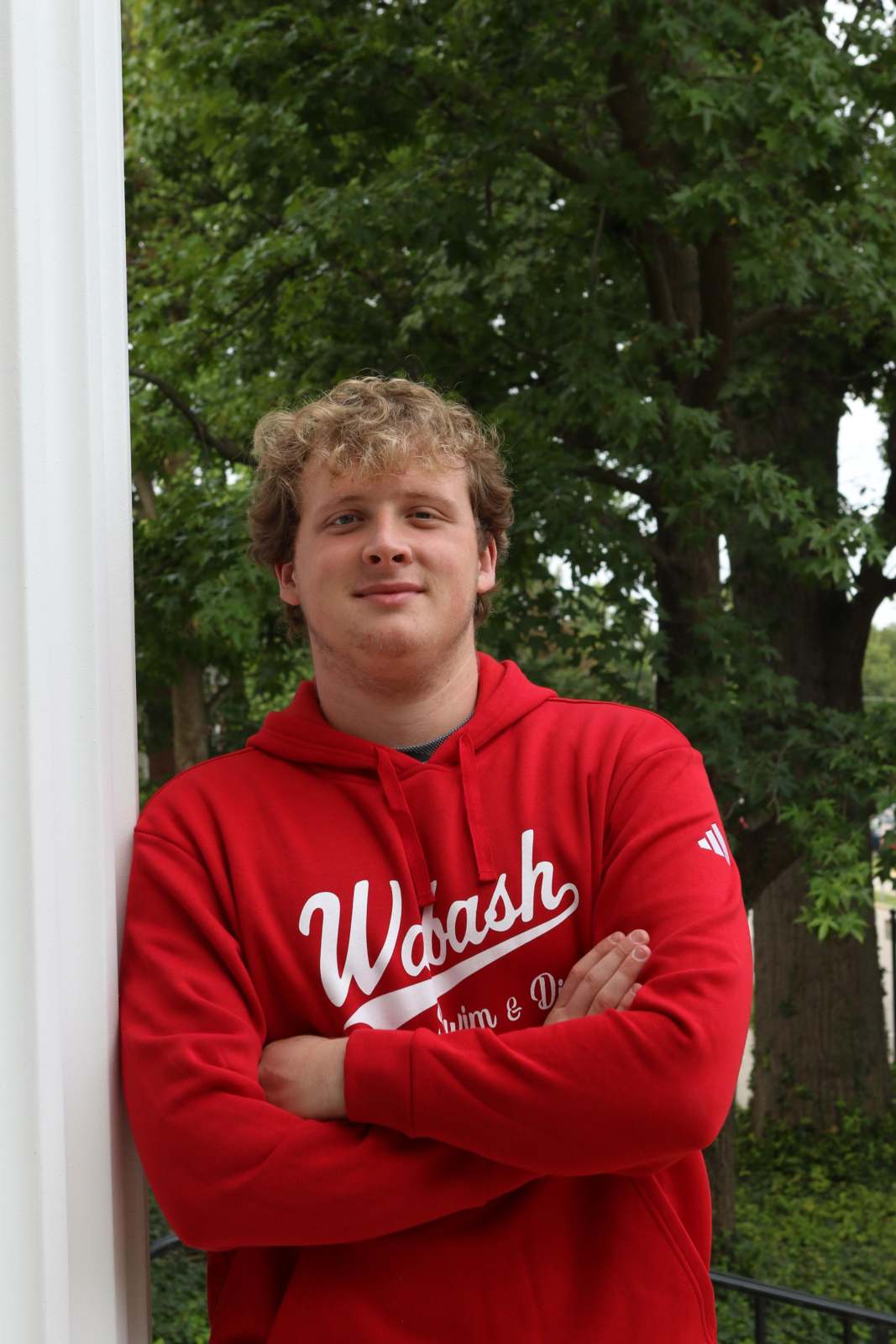
Zach Baty ’29, a biology major and neuroscience minor in Lambda Chi Alpha, is currently working on a study with Professor of Psychology Neil Schmitzer-Torbert. Zach urges his peers to open up to the people around them: “Talk to people in your house or your living unit because they want to help. I think it’s the idea that they can handle everything on their own that keeps people from reaching out for help. You don’t have to carry it all by yourself.”
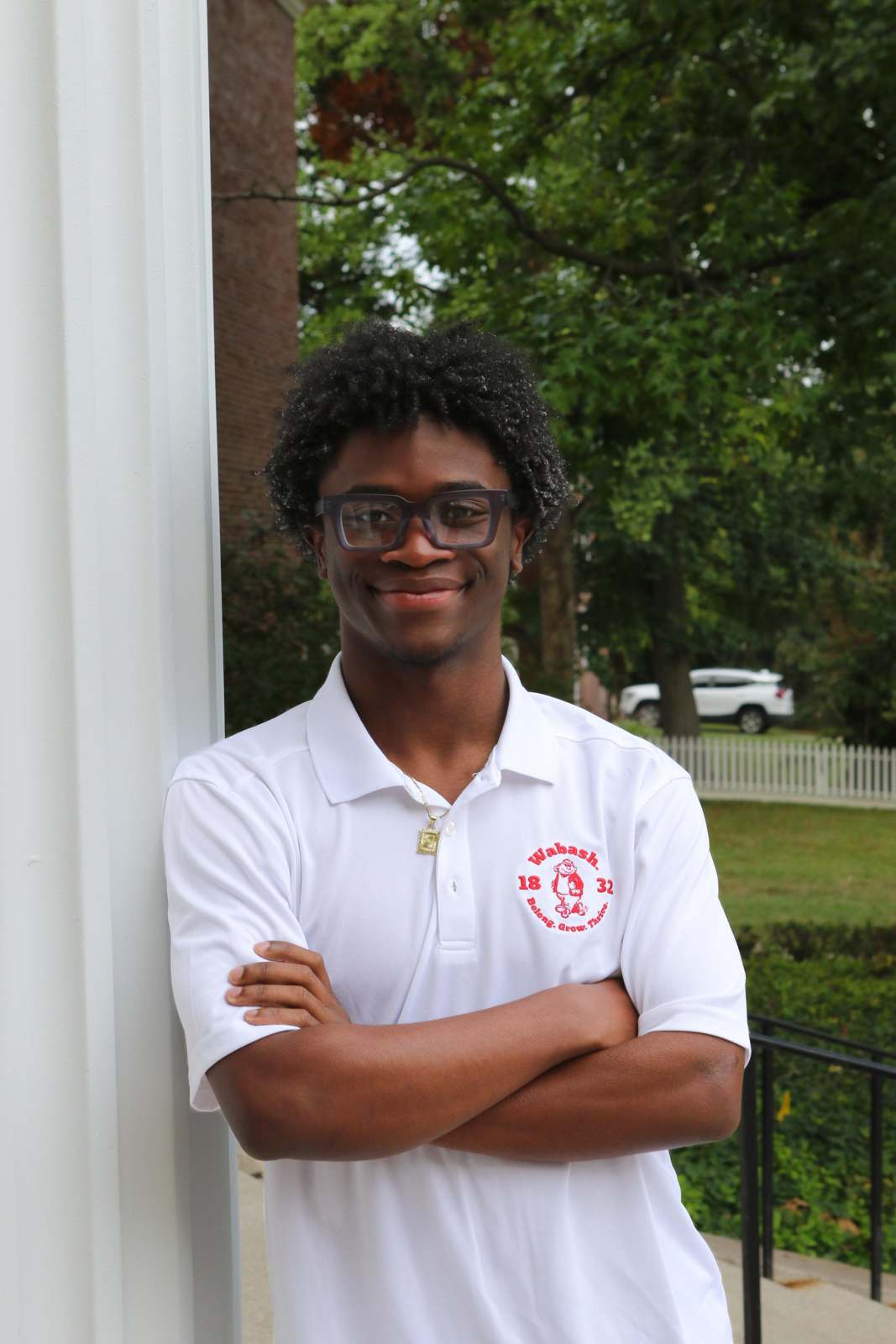
Zamir McNeal ’29 is majoring in history and music with minors in chemistry and Black studies. He serves as a Class of 2029 Representative in Student Senate, is a brother of the MXIBS, and sings in the Glee Club and T-Tones.
“I got involved because of my own struggles," he said. "Being someone on the receiving end of mental health services, I understand why it’s so important to address it and take care of it. It’s about getting people informed about the number of resources around them and the dimensions of wellness that are all important to our health.”
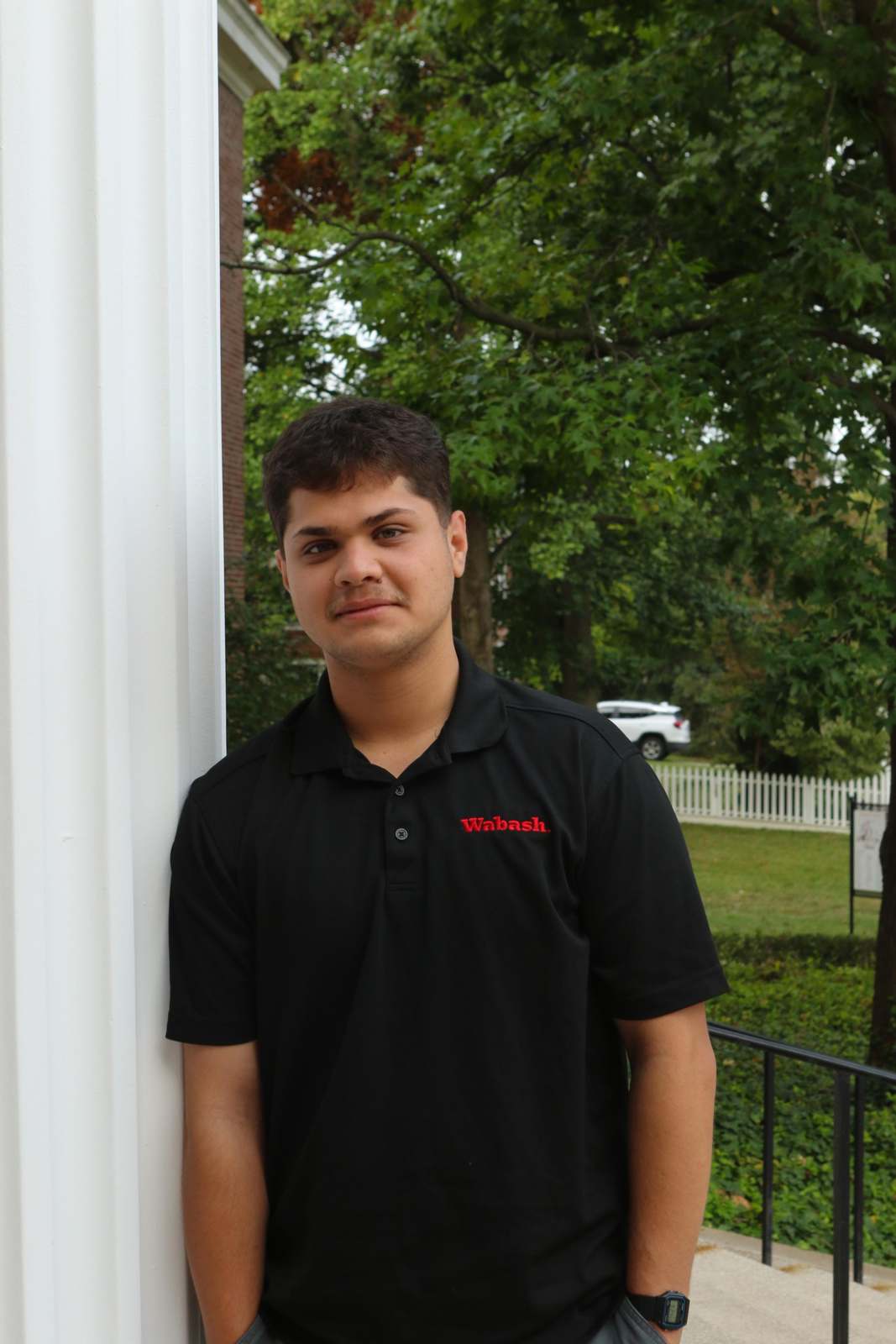
Diego Banuelos ’27 is a double major in political science and history with a minor in religion. He is also a brother of Kappa Sigma and can often be spotted with his camera, taking photos of football games and campus events.
"Being on an all-male campus, it's important to remind people it's okay to not feel okay. If you're struggling, find an advisor you feel comfortable talking to, or a friend or a brother, and they will hear you out and send you to the right resources."
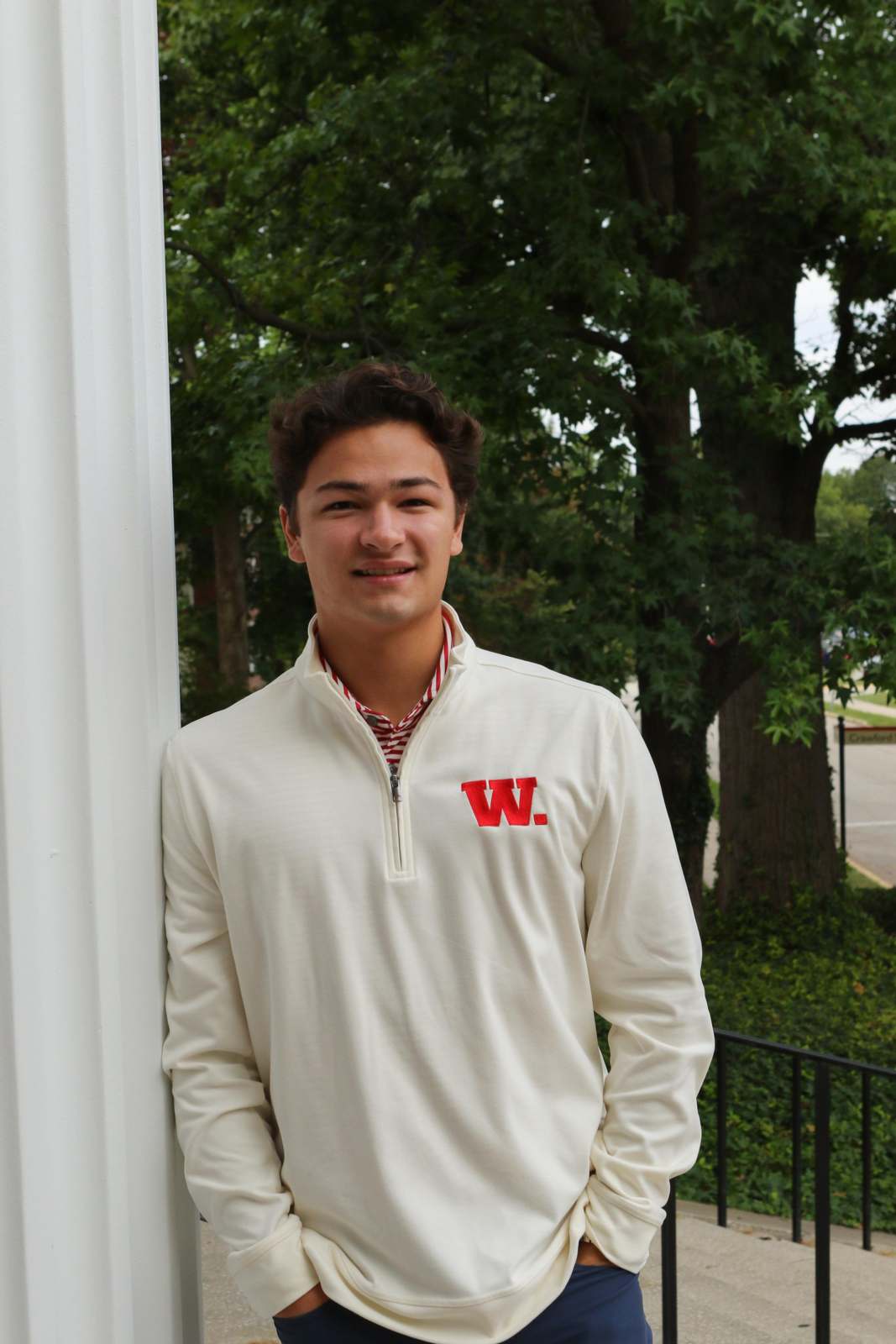
Parker Cox ’29 spent his summer working at the Will-Grundy Medical Clinic south of Chicago: "We ran similar health advocacy campaigns as we do here at Wabash. I got involved with peer health because I wanted to keep doing that kind of work, make a difference on campus, and increase everyone’s health literacy.”