
Faculty mentoring at Wabash College has not always been a formal process, but generations of its outstanding teachers have learned pedagogical, cultural, and social norms from each other and passed them along. The Classics department celebrates and reflects on the influence of one enormous personality and respected mentor lost last fall.
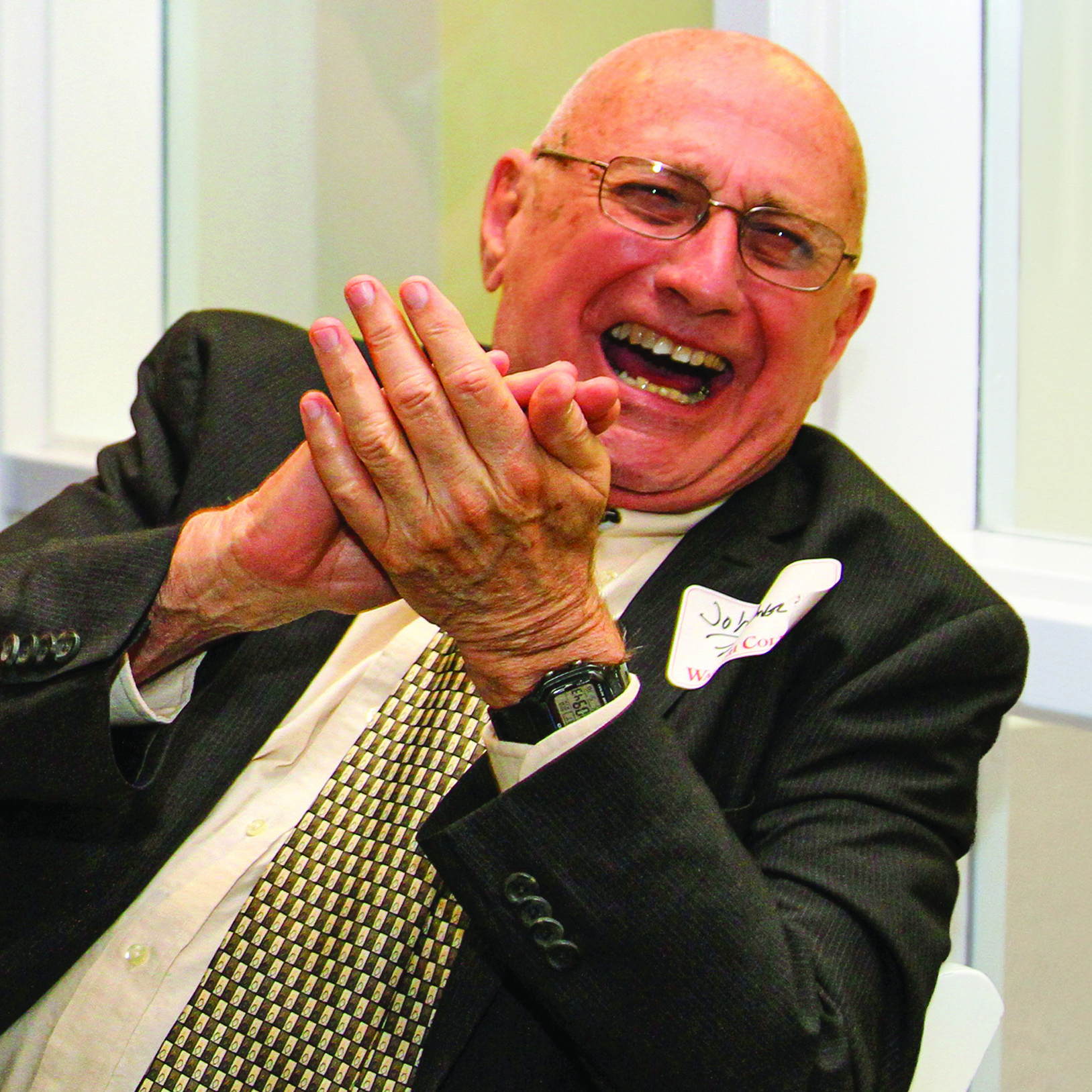 John Fischer H’70 began teaching at Wabash in 1964. Fischer, who taught for 40 years in the Classics Department, passed away on August 5, 2025. He left an indelible impact on his colleagues, his students, and greater academic circles around the world.
“John’s commitment to Wabash and the Classics Department here led him to plan for its ongoing health in an interesting, intellectually honest way: He hired people who were very unlike himself,” says Emeritus Professor of Classics Joe Day. “He did not want clones of himself, but people who brought different personalities, sensibilities, areas of expertise, ways of interacting with students, and forms of professional engagement.
“He hired and shepherded to tenure David Kubiak, Leslie Preston Day, and me,” Joe continues. “The differences could lead to tensions, and on some things, John could steamroll our differences; but on important matters, he always listened, he saw the good sides of arguments for doing new or different things, and he compromised. He had a clear goal—the health of Wabash and Classics here—and he would do what he could to support that goal, even when it meant following the lead of others.”
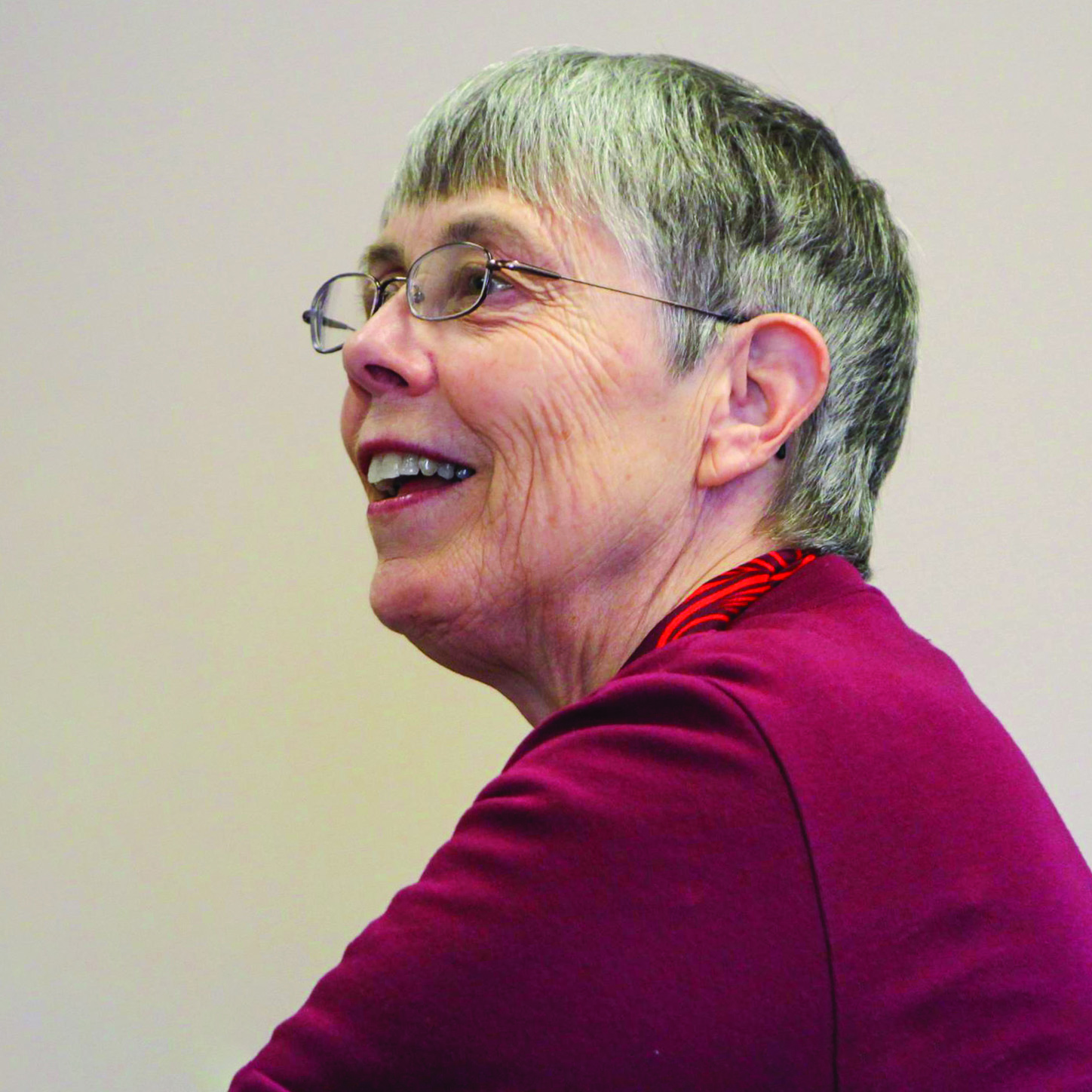
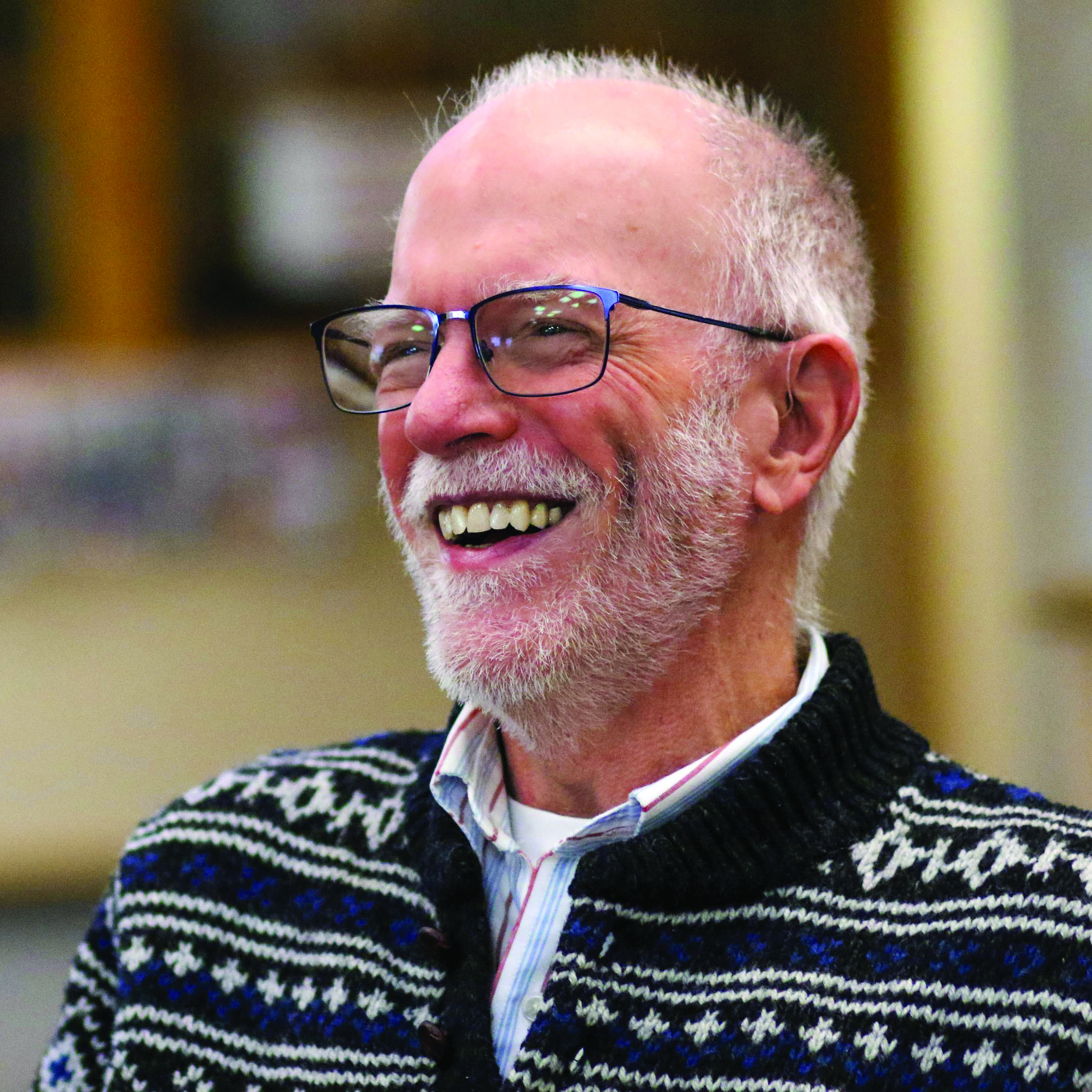 Joe and Leslie began teaching at Wabash in 1985 after having taught at other institutions and found “mentorship” outside of academics and classroom management they had already learned.
“We came in a little older than fresh assistant professors; we didn’t really need a lot of mentoring for ordinary teaching, but through events one learned a huge amount about the place, about ideas and expectations,” says Joe. “That’s mentoring you might not normally think of, mentoring that involved, as much as anything, dinner parties—at the Peebles’, the Fredericks’, David Green’s, Norman Moore’s, Ann and George Davis’, as well as John’s.
“The social mentoring is a tradition we tried to continue,” Joe says. “And we were always pretty careful to make sure that the mix included younger people.”
Leslie found she became a mentor simply because she was at Wabash.
“As one of the few female faculty, I just automatically had to do mentoring,” she says. “I didn’t necessarily seek it out, but people knew they could come and talk to me and ask me questions about how to handle situations, and I did a lot of that informally.”
Faculty mentoring has become more formal in recent years, pairing new faculty with more seasoned teachers cross-departmentally.
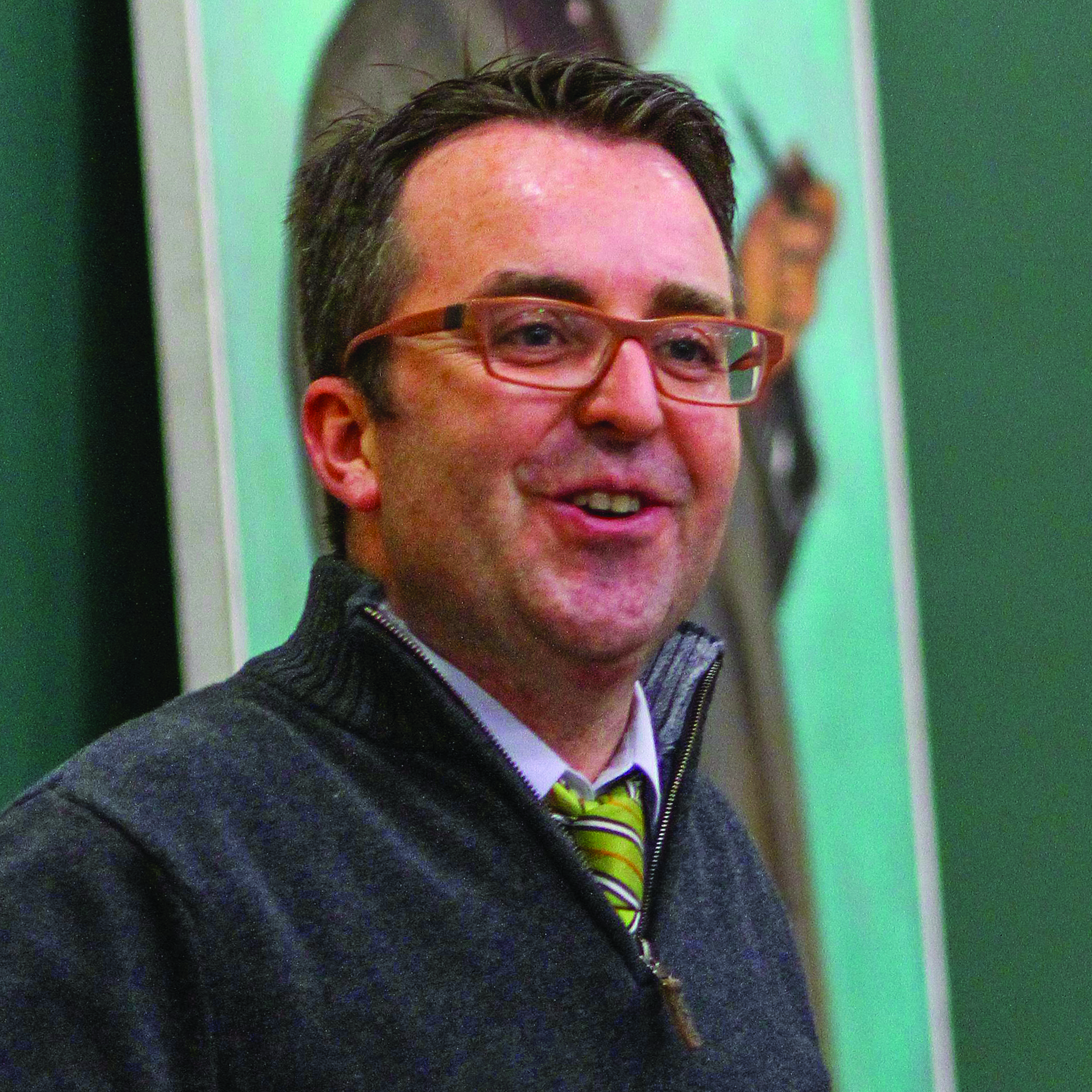 “It seems to me like there are times when having a formal mentor is helpful. Like having an ombudsperson,” says Professor of Classics Jeremy Hartnett ’96. “You just need somebody you can go to and say, ‘I’m calling on you as my mentor,’ but the social mentoring is that most organic kind that doesn’t need structure. It’s called building community.
“The thing with the informal mentorship John and then the Days were offering is they were intentional about not making it a closed echo chamber of familiar folk,” Hartnett continues. “They wanted to make bridging ties, not just bonding.”
Hartnett came to Wabash as a student with the intention of studying math. But after taking Roman Art and Archeology as a freshman, a class taught by Fischer, he decided to try Latin.
“I’d been to Italy before, but I’d only seen it early through medievalist eyes,” Hartnett says. “That lit a spark in me. I started taking Latin the next year and I thought, ‘This is kind of fun.’
“From the get-go, John was utterly human, spontaneity and enthusiasm were infectious, and that spirit—effusive and authentic—inspired everyone he met,” he says.
Once Fischer’s student, Hartnett was hired to take the seat in the department Fischer held until his retirement in 2004. Hartnett knew he had a big hole to fill, but soon learned he needn’t seek to fill it. He needed to create his own space.
 “There are lots of different ways to be a Wabash professor, and that’s one of the things I learned initially,” he continues. “I came in trying to emulate some of John’s teaching methods, which were basically high volume, high intensity, not always maximum reflectiveness. It took me a while to find my pedagogical comfort zone, to recognize that I didn’t have to be my professors. I could be myself. It’s great to hear their words coming out of my mouth, but it has to be an authentic voice.”
Just as Fischer would have wanted it.
“John was such a sizzling fireball of energy,” Hartnett says. “Classics as a field, we as a campus, and we as individuals are so much better off for entering his orbit and learning how to feast more fully upon this very short life.”