I had returned to my desk in the laboratory of Professor Thomas Brock at Indiana University after visiting Wabash College, where I had interviewed for a job in the biology department. I was considering the offer I received from Wabash when Professors Austin Brooks ’61 and Thomas Cole ’58 appeared at the doorway to the laboratory in Bloomington, Indiana. They had come to seal the deal and convince me to come to Wabash. They succeeded. That was 55 years ago.
When I arrived at Wabash, I discovered that my office and laboratory were across the hall from Aus’ in the new Thomas Laboratories. I arrived in late August, just a few weeks before the start of classes, having spent the summer in Yellowstone National Park. I was not ready to teach, but fortunately, Aus was there to help me get organized and to help me navigate the maze of the department, the division, and the College. He also made clear to me that we were at Wabash to teach and learn with students.
Until I met Aus, I believed my role as a teacher was to pass on information to the students—to transfer my knowledge and all that I had learned. I suppose I thought of students as empty vessels eager to be filled. Teaching took place in the classroom and laboratory with me, the teacher, in the front, expounding my understanding of biology.
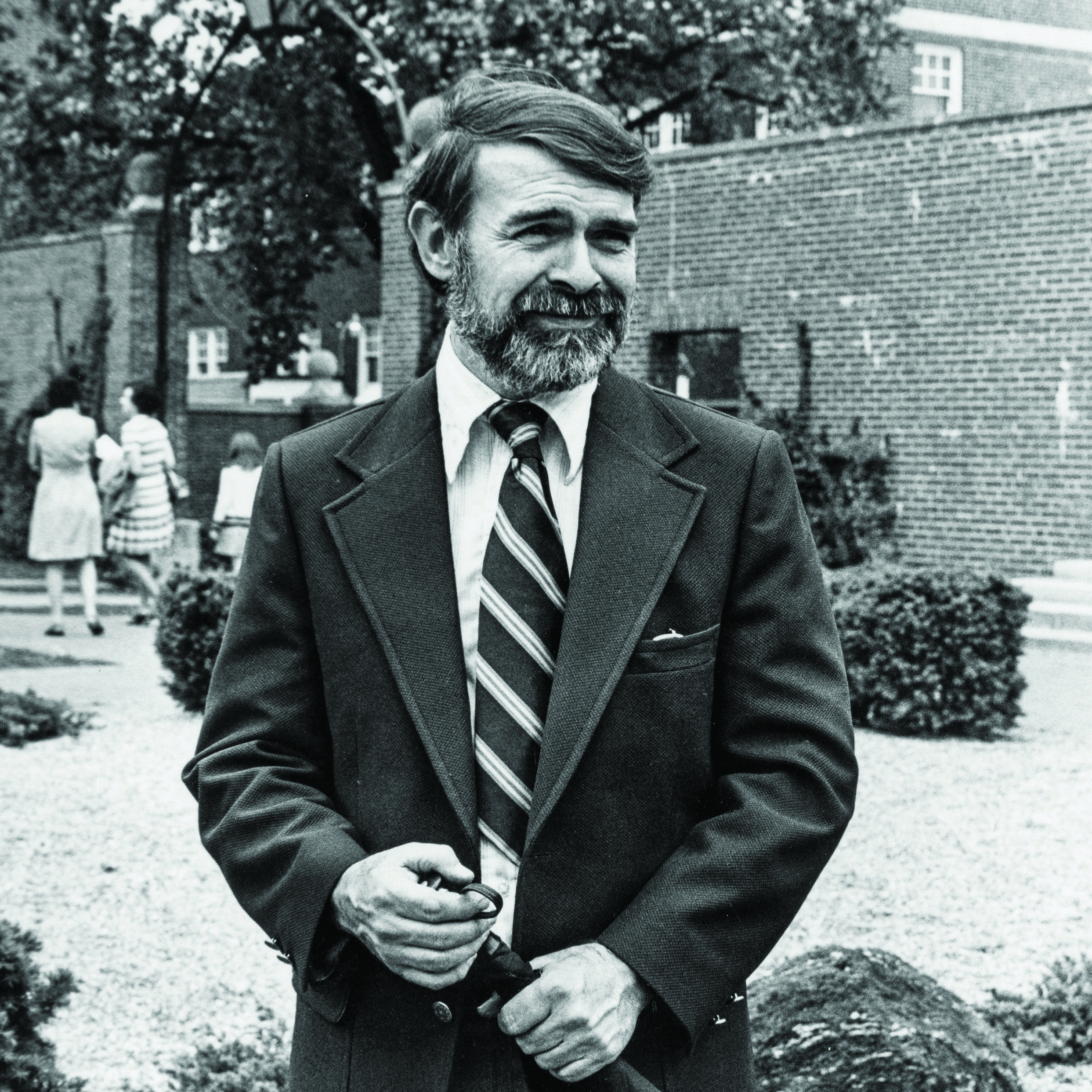
Aus was different. He didn’t just lecture, he engaged the students in the classroom, in the laboratories, in the hallways, in his office, on the fields, at the Delt House, and in his home. He sought their understanding of biology and life. He listened to their stories about themselves and their lives. He queried their understanding and raised questions that didn’t challenge but encouraged them to explore further. Students knew that they could talk to Professor Brooks about any subject and he would actively listen.
Aus’ greatest joy was to be in the field with students exploring aquatic habitats. In 1977, Aus invited me to join him when he took his class to Appledore Island, Maine. There, Cornell University operated the Shoals Marine Laboratory, providing room and board for classes. We stayed in a group cabin and enjoyed food prepared by a chef from the Cornell Hotel School. During the day, we explored the aquatic habitats of Appledore. At night, we gathered together and shared our stories. The culmination of the trip was a lobster bake on the shore. That was my first introduction to immersion learning.
On the way back to Crawfordsville, Aus and I talked about this experience and how we might expand it to a summer course. Aus had been involved in several research stations like the Shoals Marine Lab, working with undergraduates at the Midwest College Field Station in Minnesota, and with graduate students at the Mountain Lake Biological Station near Blacksburg, Virginia. He believed those experiences were more educationally powerful than just being in a classroom and laboratory for six hours a week. We began to imagine what if?
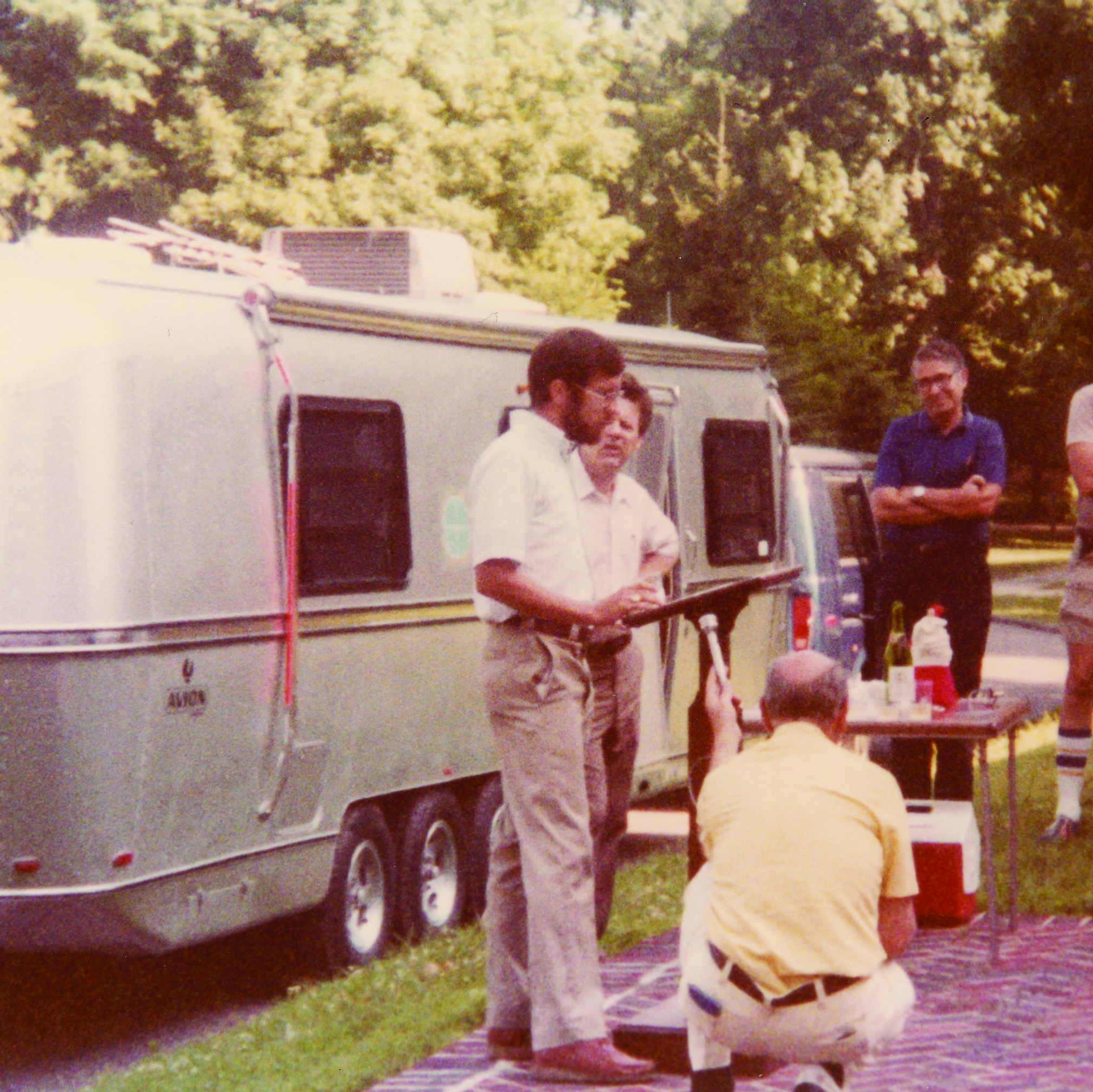
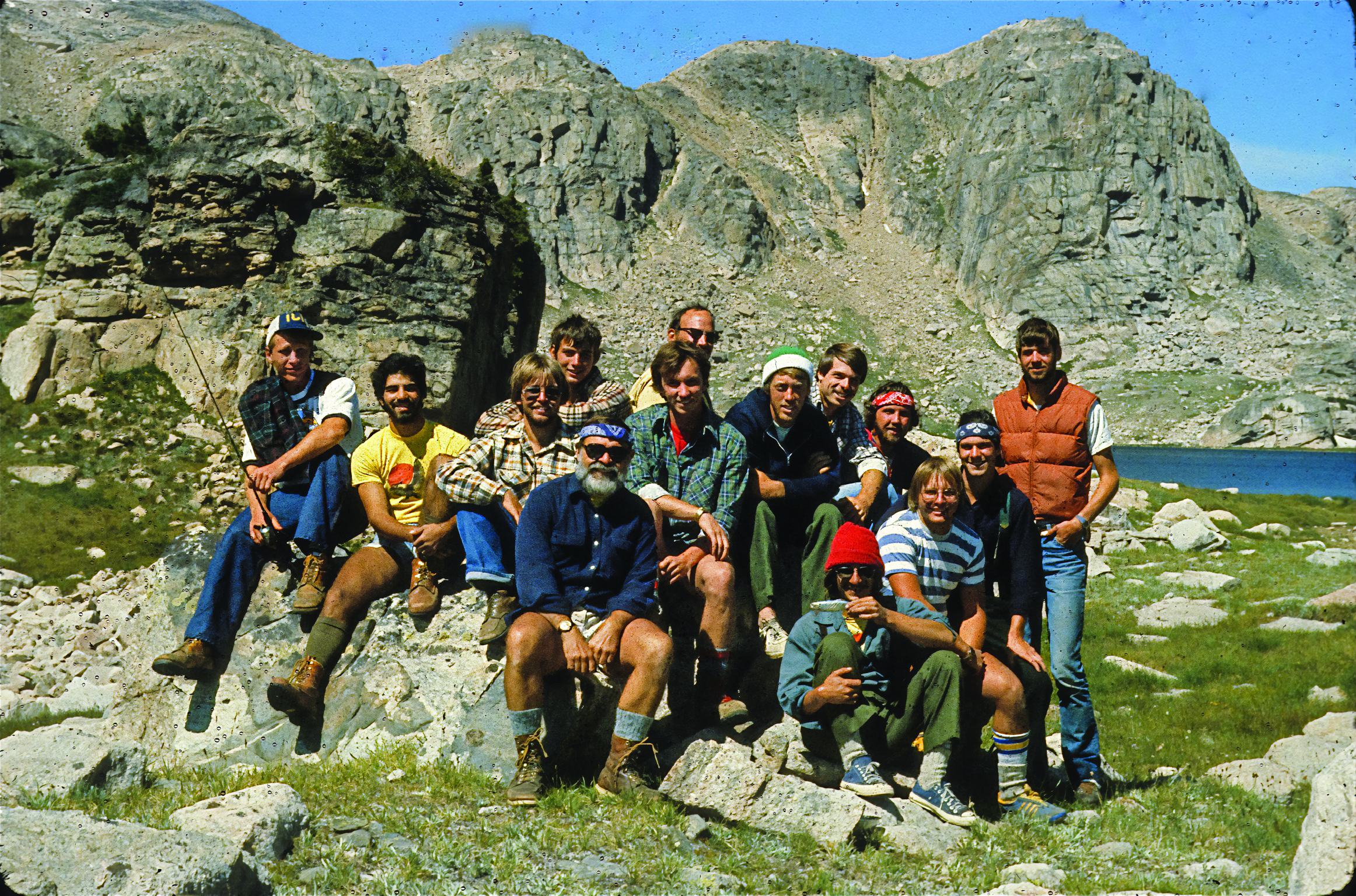
I had spent the summers of 1972–75 with students at Yellowstone, working in the laboratory of Brock, who had then moved to the University of Wisconsin. In the summer of 1974, Jim Cook ’76, from Wabash, and Susan Entenmann, from the Explorers Club, were also at Yellowstone. In the lab and during off-hours, we often talked about the power of immersion experiences. Jim Cook contacted me in 1978 and urged Aus and me to submit a proposal to the New York Community Foundation to fund a unique summer program. Thus began Aus’ and my collaboration on the Aquatic Biology Program.
The grant we received funded an exploratory immersion program for five years from 1979 to 1984. We spent the first year planning, outfitting, and organizing.
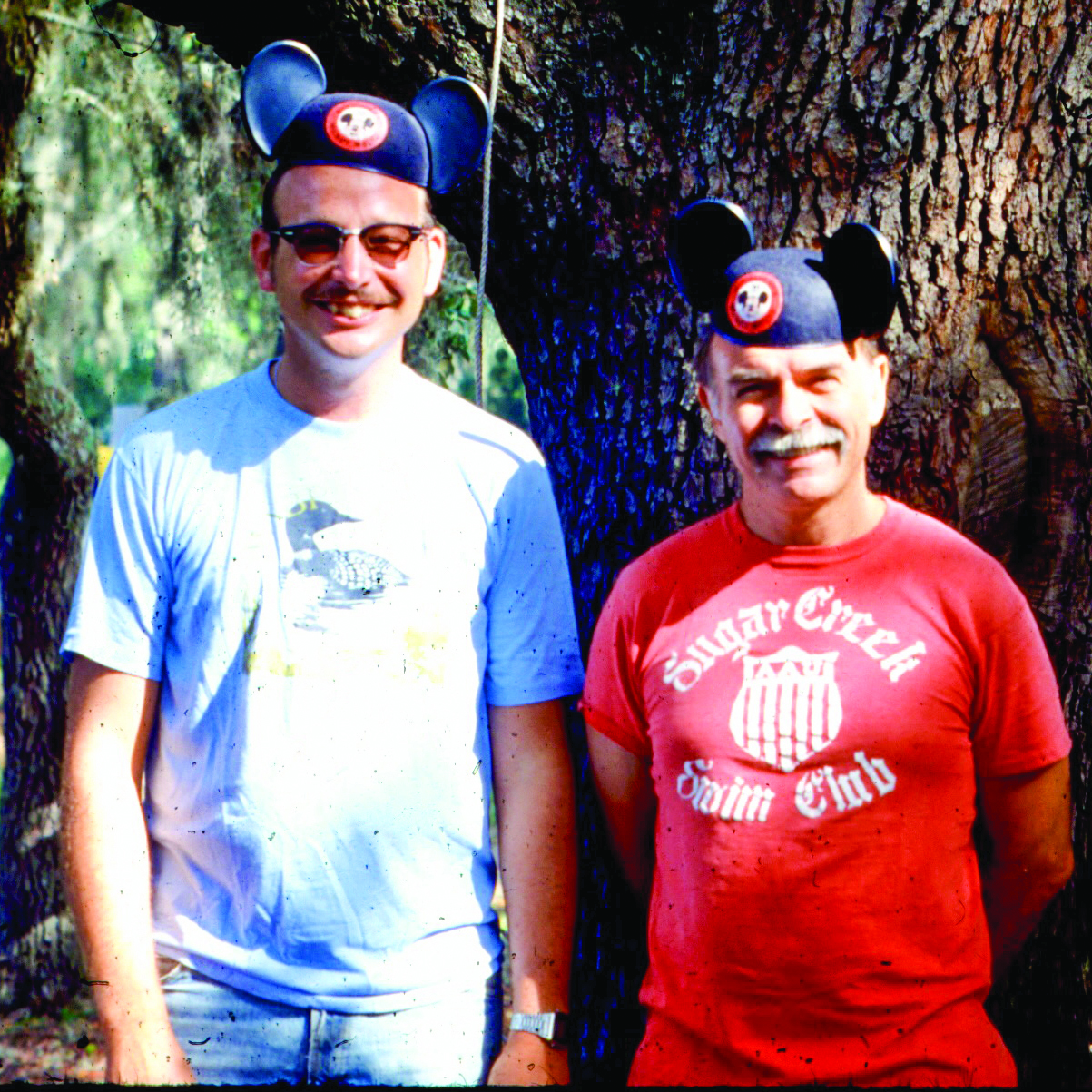
On Sunday, July 13, 1980, students assembled at Wabash ready to embark on our first trip to Yellowstone. There would be three more such trips: to the lakes of Wisconsin and the Boundary Waters in Minnesota and Canada; to Florida and the Florida Keys; and to Chesapeake Bay, the New Jersey Pine Barrens, and the Adirondack Mountains in New York. The places were different but the experience was the same. We spent six weeks together—traveling, camping, cooking, learning about aquatic habitats, and living humanely.
Upon Aus’ retirement in 2004, Susan Cantrell wrote an article about him. In it, she quoted Professor Christopher Halkides ’83, a former student who had participated in a trip to the East Coast through the program: “Professor Brooks has a natural curiosity and sense of wonder. All that came through in how he directed us.”
Cantrell continued, “Halkides remembers canoeing in the New Jersey Pine Barrens as Brooks and Doemel pointed out the flora and fauna along the way. He learned to camp and cook. Professor Brooks taught him to make sun tea and press seaweed into a beautiful shape.
“And the Phi Beta Kappa took to heart another valuable Brooks lesson: ‘When we were in the Chesapeake Bay looking at blue crabs, Professor Brooks told us that the fisherman we were with knew as much as anyone else about the sea. He reminded us it isn’t necessary to go to college to know and understand things. It was a dream summer.’”
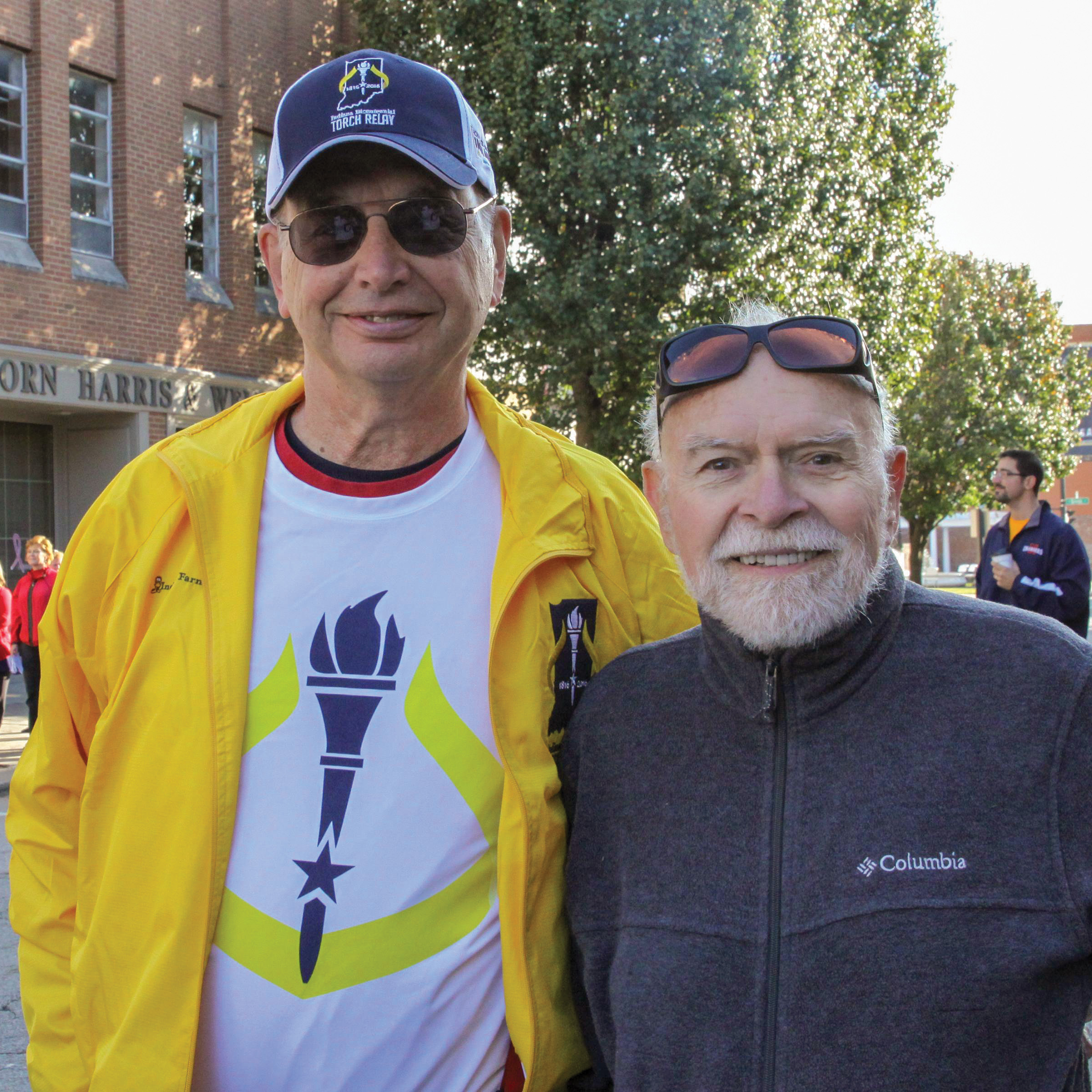
The program, while educationally successful, meeting all of our expectations, was challenging for us and for our families. For four summers, we were gone for six weeks, away from young families. For students, while the program charges were minimal, they were given no allowance on their college tuition for not having been able to work in the summer. Few students could afford to participate. Reluctantly, we dropped the program, but we didn’t drop the concept.
After Aus passed, his family and I were talking about how to honor him. Perhaps a building or a classroom named after him? But that didn’t feel like Aus. He was about working with students, creating interactions that encouraged one-on-one, not just in the classroom. Like with the Aquatic Biology Program, what occurred outside of the lectures and interactions we had academically was the cooking, the having dinner together.
Having dinner with the faculty is important. There you build relationships and talk about things in common. You talk about your political philosophies. You talk about religion. You talk about everything—and you learn. You learn how to have conversations, and that’s critical. So the fund came out of that discussion.
In establishing the Austin E. Brooks ’61 and William N. Doemel H’74 Endowed Fund, Aus’ family and I hope to encourage and support others to undertake immersion experiences where faculty members and students leave the campus to extend their knowledge and explore other unknown places to better understand those places and themselves. This fund is in memory of Aus and in celebration of a lifetime of collaboration and friendship between Aus and me, including our work in creating the Aquatic Biology Program.