

Daniel J. D’Amico is the inaugural director of the Stephenson Institute for Classical Liberalism founded in 2021 and an associated faculty member at Wabash College. The Stephenson Institute is a student-focused resource center dedicated to investigating questions related to personal responsibility, individual rights, freedom of speech, and the essential role of liberty in a free society.
Prior to 2022, Daniel was the Associate Director of The Political Theory Project and Lecturer in Economics at Brown University, where he taught and coordinated student programs dedicated to the study of institutions and ideas that make societies free, prosperous, and fair. Prior to arriving at Brown in 2015, Daniel was awarded the level of Associate Professor of economics at Loyola University New Orleans, where he garnered awards for teaching, research and service.
Daniel earned his doctoral degree in economics from George Mason University in 2008. His dissertation, “The Imprisoner’s Dilemma: The Political Economy of Proportionate Punishment,” was awarded the Israel M. Kirzner Award for best dissertation in Austrian Economics by the Society for the Development of Austrian Economics. In 2011 Daniel's paper, “The Prison in Economics: Private and Public Incarceration in Ancient Greece,” was awarded the Gordon Tullock Prize for the best paper published in the journal Public Choice by a scholar under the age of forty.
Daniel’s current research is focused upon the applied political economy of punishment and incarceration throughout history and around the world. He has published over 20 journal articles in a variety of scholarly outlets across academic disciplines including but not limited to Public Choice, the Journal of Comparative Economics, the Journal of Economic Behavior & Organizations, the Journal of Institutional Economics, and Public Affairs Quarterly. Daniel is currently the co-editor of Advances in Austrian Economics, a fellow with the Royal Society for the Encouragement of Arts, Manufactures and Commerce, an affiliated scholar with the workshop in Politics, Philosophy and Economics at George Mason University. He is a cofounder of the Carl Menger Essay Contest.

Nicholas Jensen is a postdoctoral scholar-in-residence at the Stephenson Institute. His primary research interests include public choice economics, the history of economic thought, law & economics, and crime economics. Most of his research broadly falls into two categories. The first category explores the effects of legal institutions, public policy interventions, and their effects on both criminal justice and economic outcomes. The latter part of his research in the history of economic thought explores the intellectual contributions of economists and political philosophers, and their relevance to economic thought today.

Alexander Schmid’s scholarly work investigates the intersection of medieval political philosophy, classical literature, and the history of ideas. In his dissertation, he focused on how Arabic and Jewish Aristotelian and Neoplatonic philosophies shaped the metaphysical and political foundations of Dante's Divine Comedy. He has presented his research at international conferences like the Aquinas and the Arabs International Summer Conferences at both Oxford University and Université de Paris (Sorbonne).
Alex also explores the historical and philosophical roots of capitalism and Dante’s connection to economics. During multiple fellowships with the American Institute for Economic Research and Mercatus Center, he researched how Dante's views on usury and commerce reflect the dawn of modern economic systems. He also has taken an interdisciplinary approach by connecting historical texts to modern culture by publishing research analyzing Dantean elements in video games like Final Fantasy VII and television series’ like Westworld.
Alex has published his peer-reviewed research, essays, and reviews across several prominent academic venues, including the journal Bibliotheca Dantesca: Journal of Dante Studies, the Early Modern Digital Review, and the German Studies Review, and he is currently revising several more works for publication including in Mediaevalia and The Dickinson College Commentaries.
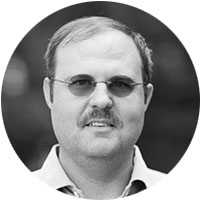
Eric Wilhelm has worked in both the private and public sectors: first, as a statistician at the Bureau of Labor Statistics and, most recently, as a tax economist for PwC LLP’s national office in Washington, DC. He has many first-hand accounts of the public policy ecosystem in the US capital as well as practical knowledge of “how the sausage gets made.” Feel free to ask him about it.
During his time in the DMV (DC, Maryland & Virginia), Eric received a Masters in Applied Economics at Johns Hopkins University before graduating with a PhD in Economics at George Mason University. His research covers topics in North American and European economic history, urban growth, spatial economics, and public finance. Eric is currently building off research featured in his dissertation about the rise and spread of craft guilds in late medieval and early modern Europe. He has compiled and added to a growing database on craft-guild presence for over 1,400 European cities and explored their relationship with urban growth.
You’ll find Eric reading books and papers on economic history, spinning circles over time series econometrics, or, preferably, hiking, kayaking, and playing tennis.
Patrick Burton
Associate Professor of Biology
Lorraine McCrary
Associate Professor of Political Science
Nicholas Snow
Associate Professor of Economics, Tom and Anne Walsh Professor of Philosophy, Politics and Economics
Scott Himsel
Associate Professor of Political Science and Pre-Law Advisor
V. Daniel Rogers
Professor of Spanish
Violet Benge
Program Manager
Jill Keller
Administrative Assistant
Lewis McCrary
Communications and Internships Manager
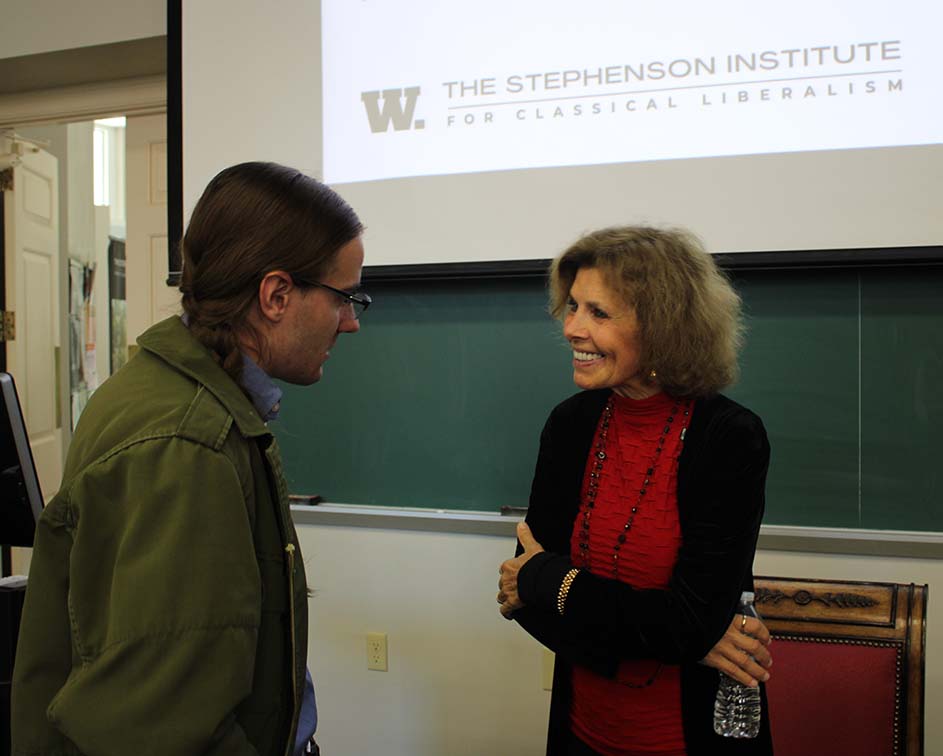
The Institute sponsors events that bring thought leaders to the Wabash campus, engaging students and the wider community. See Upcoming Events.
The Institute supports students pursuing summer internships with national and international public-policy organizations aligned with its mission. Learn More.
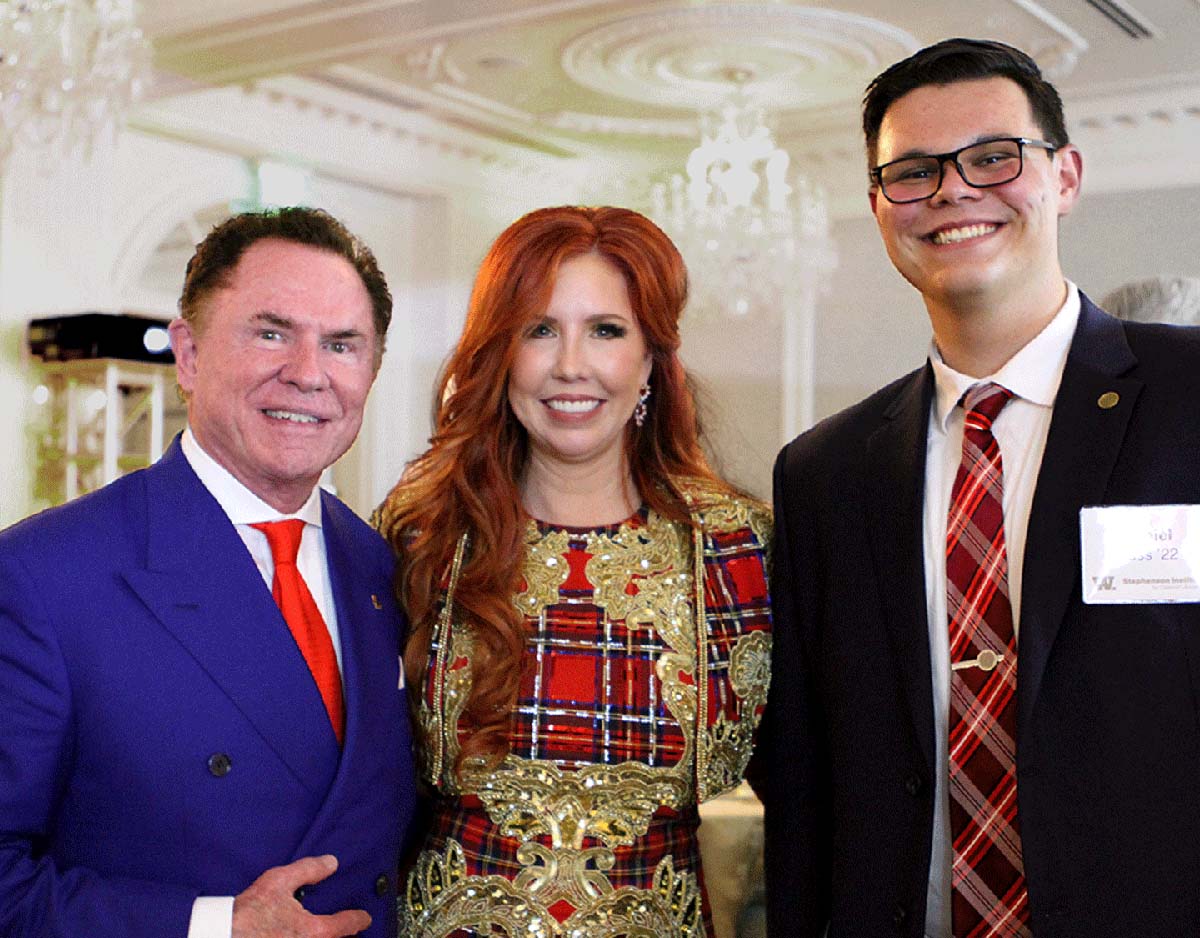
The Institute was founded by Wabash alumnus Richard J Stephenson '62, a philanthropist and entrepreneur who is committed to a free society. Learn More.

Drawing on the experience of legendary Wabash trustee Pierre Goodrich and Economics Professor Benjamin Rogge, the Stephenson Institute celebrates Wabash's tradition of exploring ideas over ideology. Learn More.
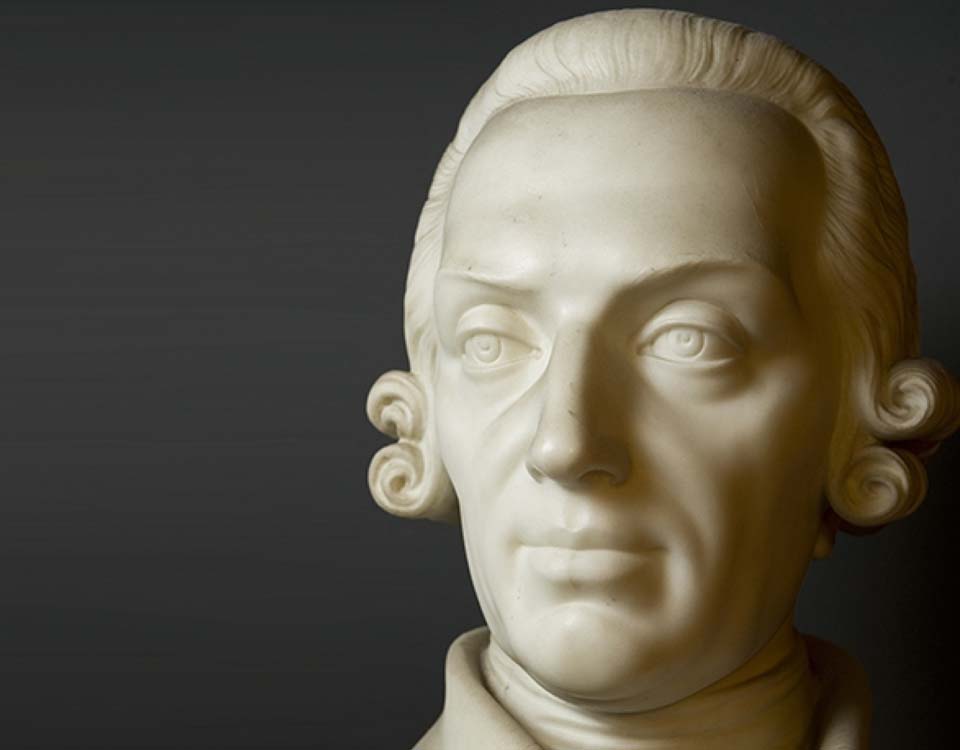
As part of a long tradition of building free societies, including principles such as individual choice and constitutionalism, some perennial ideas about liberty resonate–from the Founding Era to our own. Learn More.
SHARE PAGE