
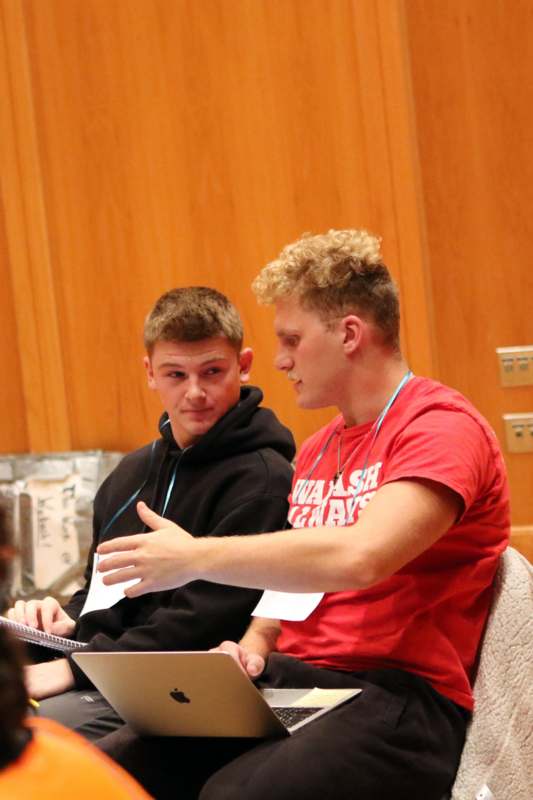


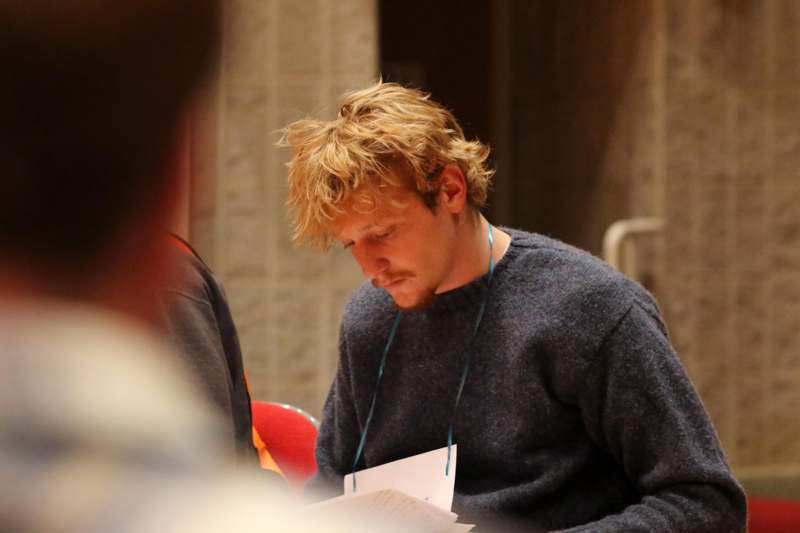

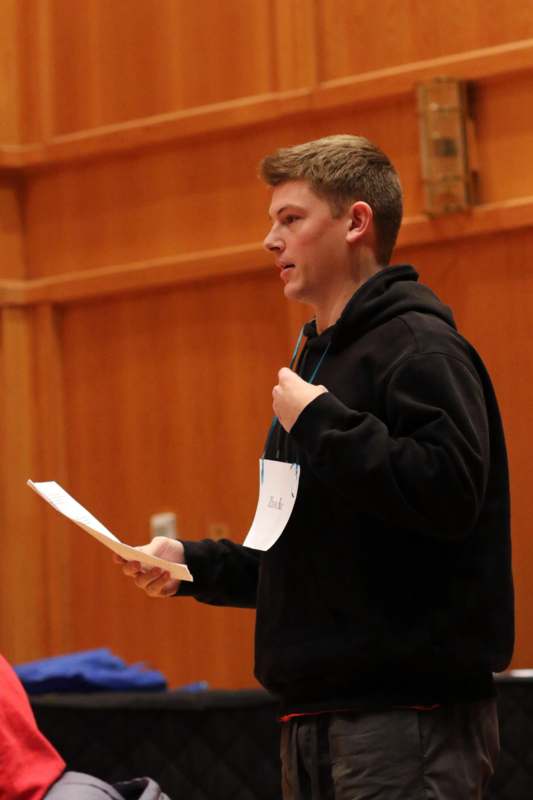




Role-playing games in class? Bryce Kinnaman ’26 felt a slight sense of panic.
Having never played Dungeons & Dragons or similar role-playing games (RPG), he was suddenly worried about portraying an ancient Chinese character who existed three centuries ago.
“The first thing I thought is, ‘Wow, I’m so unprepared for all this,’” he said. “You get a role sheet and everything associated with your character, but what is my knowledge based on?”
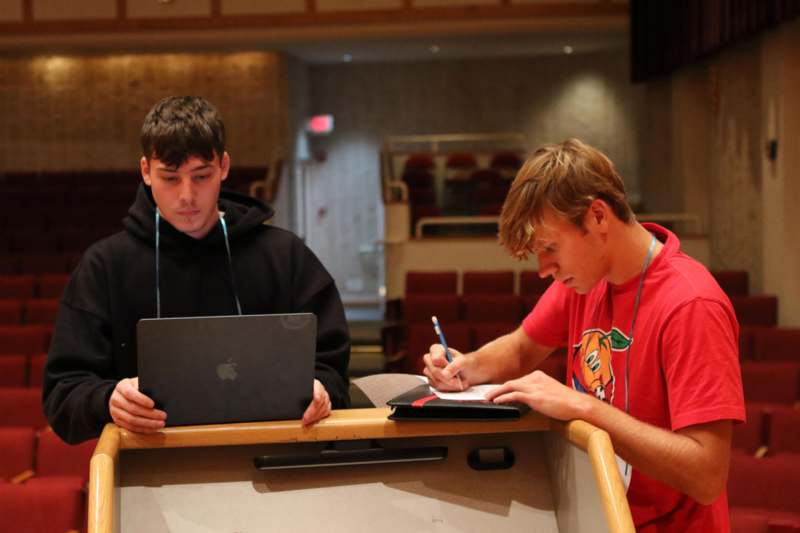
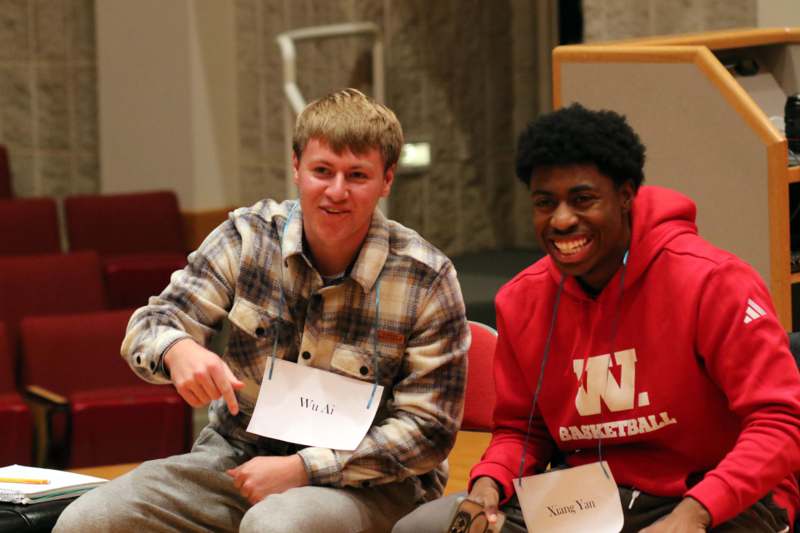
Within weeks, this rhetoric and Spanish double major from Greenfield, Indiana, found himself an expert on his character, engaging in intense debates and strategic alliances that extended far beyond classroom discussions.
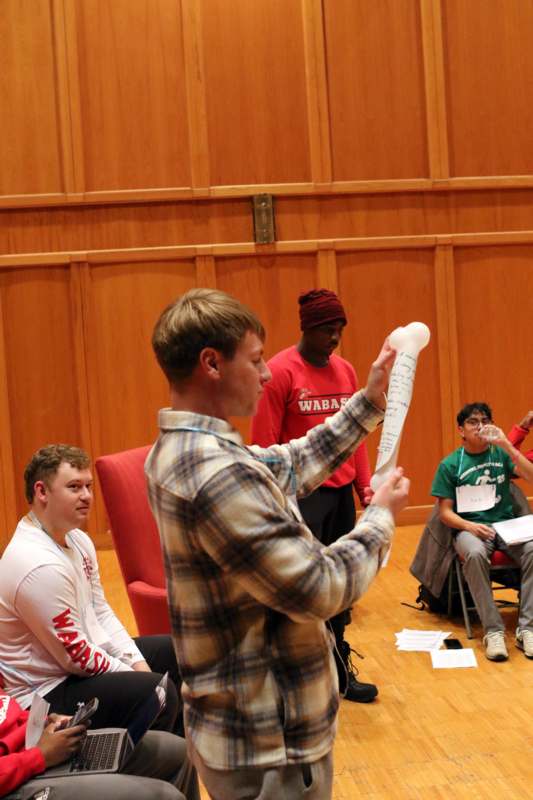
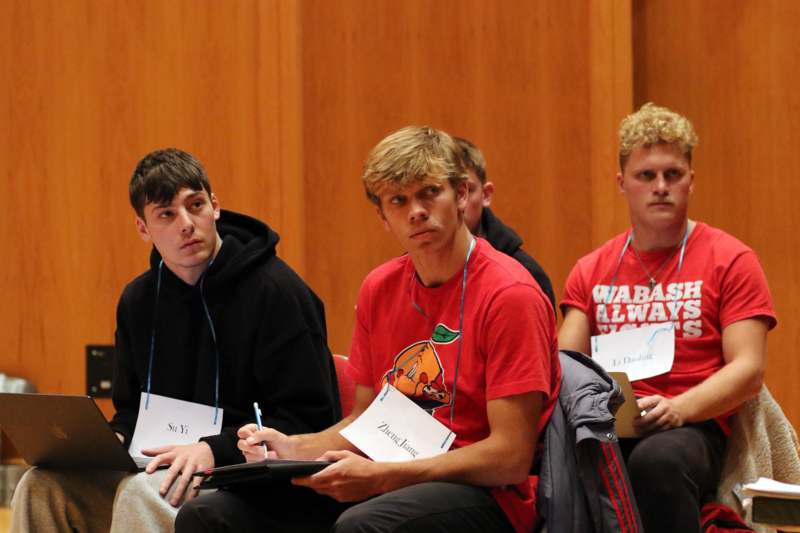
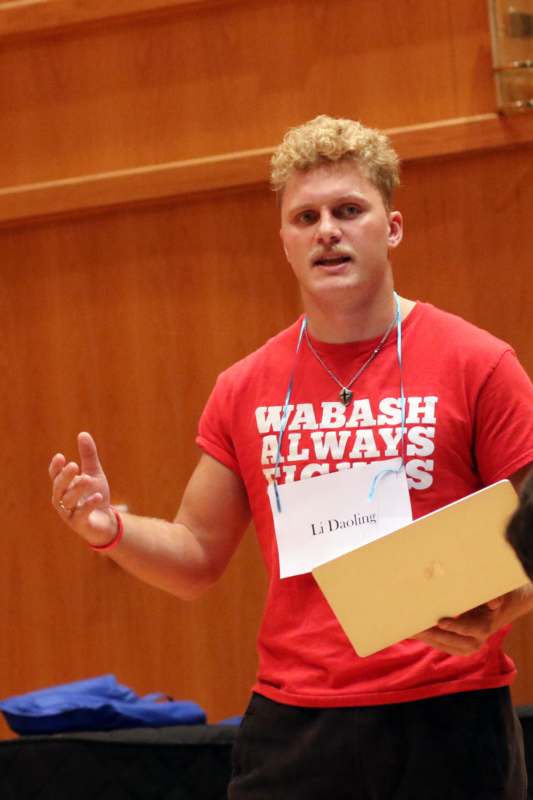
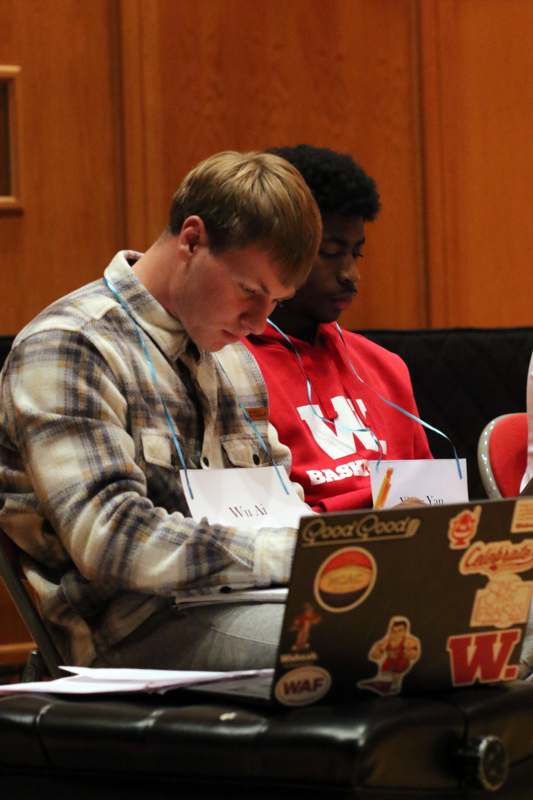
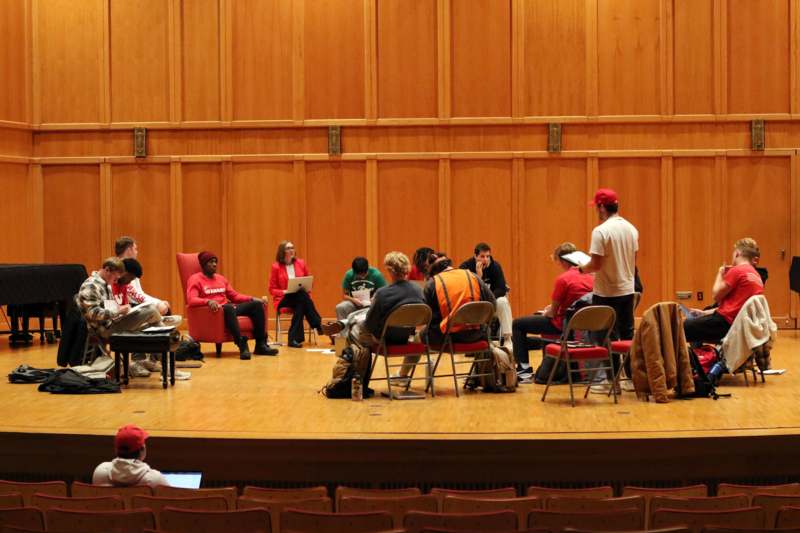
 Welcome to Classical Rhetoric (RHE 320) and “Reacting to the Past,” an engaging in-class game that transformed the study of rhetorical theory into a living, breathing competition where students didn’t simply read about rhetorical theory, argumentation, and persuasion, they practiced it on the fly.
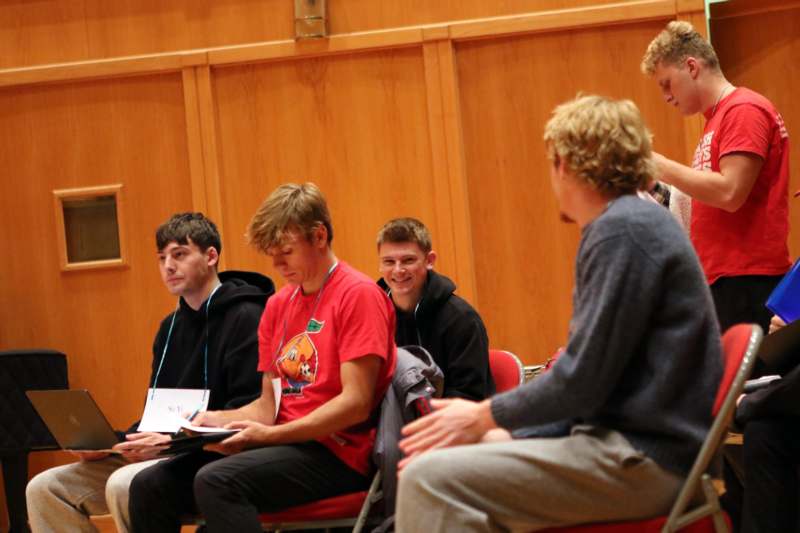
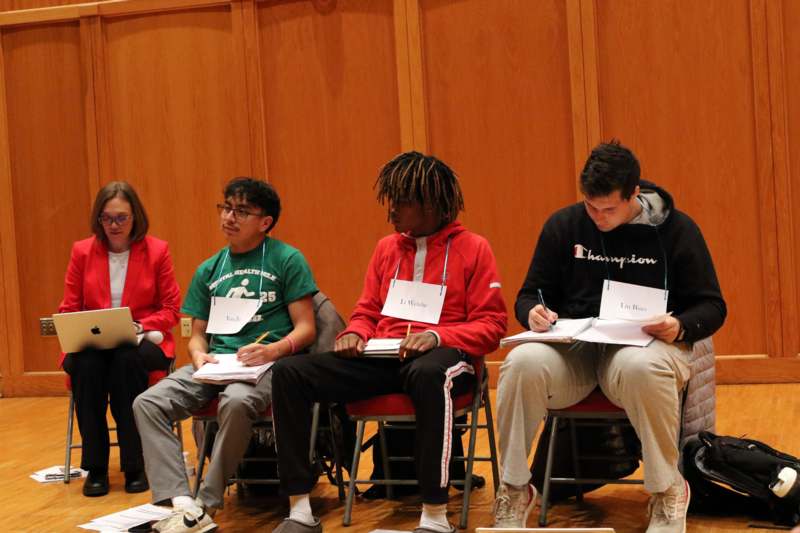
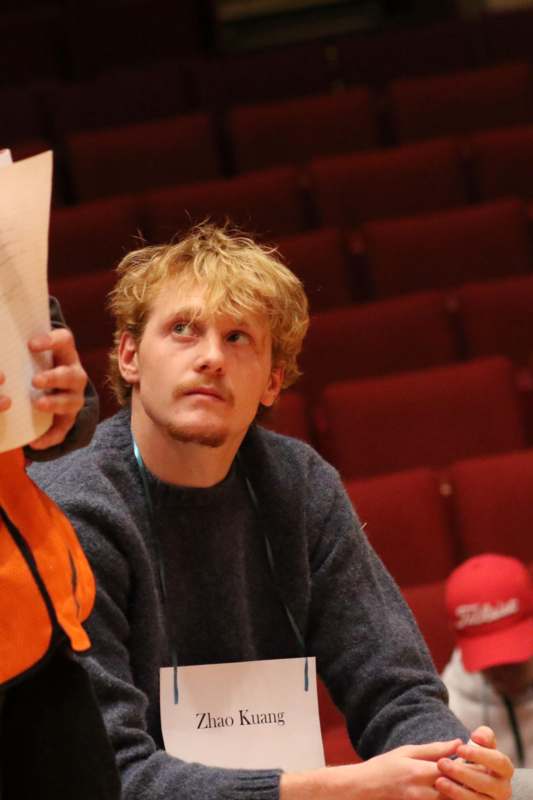
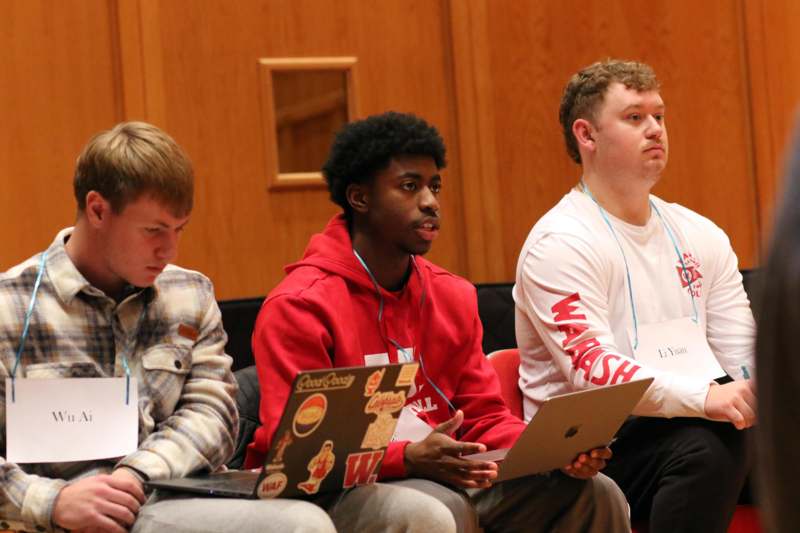
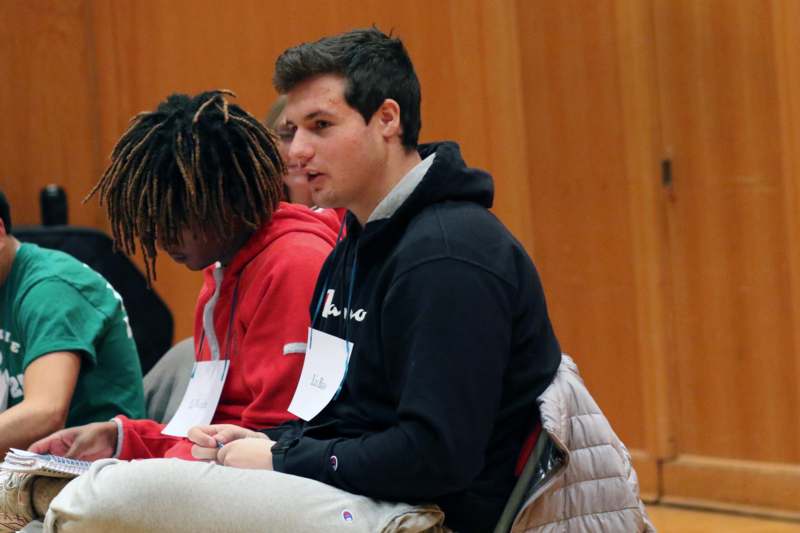
The game immerses students in the intellectual landscape of ancient China during the Warring States period, dividing them into four factions representing Confucianism, Daoism, Legalism, and Mohism. Each student receives a character in the Court of Chu with unique goals, relationships, and philosophical positions drawn from classical texts. Their mission: convince the king to adopt their faction’s reform plan for the kingdom.
This isn’t a simple classroom exercise.
As Kinnaman discovered, “I didn’t know we could and would play it outside of class.”
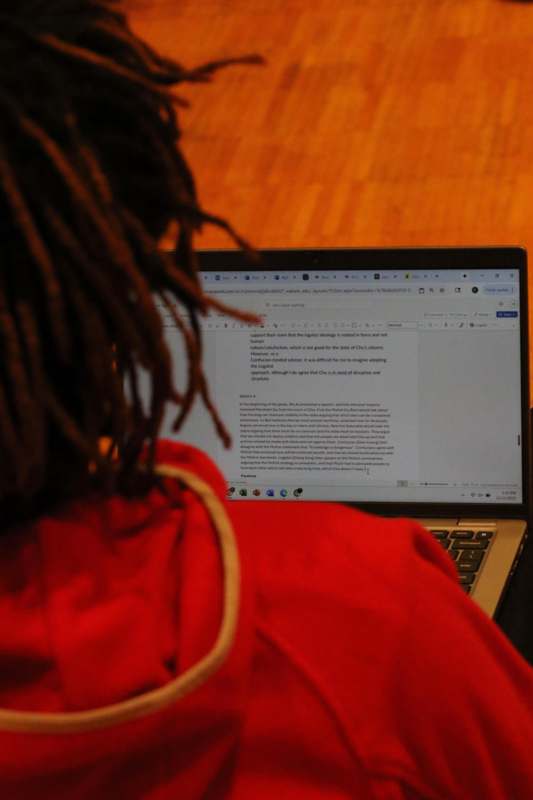
Quickly, the game took on a life of its own, extending to every corner of campus life. Students arranged secret meetings at the library at 9 p.m. Group chats buzzed with strategic discussions and alliance building.
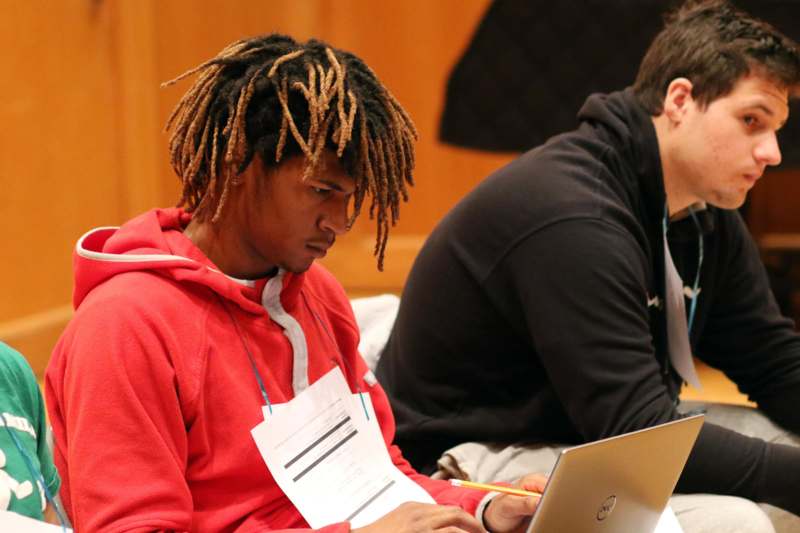
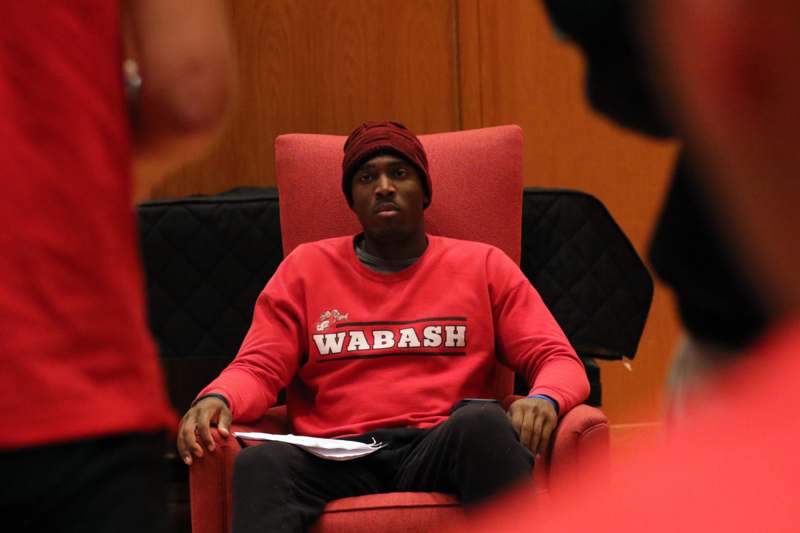
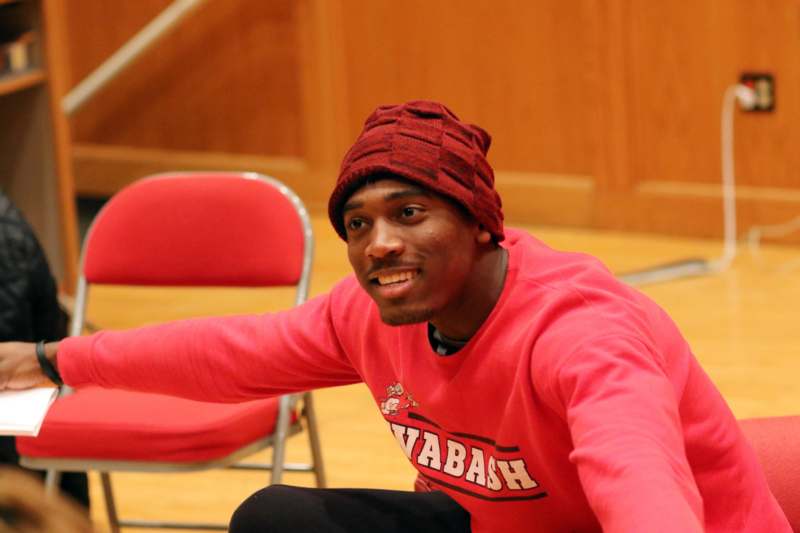
R.J. Tolbert ’27, a rhetoric major from Orlando, played the king and found himself constantly navigating competing interests.
“The interactions were fun because it was ongoing,” he said. “Every time I’m talking to somebody, somebody else is saying something in my ear.”
“I had meetings with him through other people,” Kinnaman chimed in with a laugh.
For Tolbert, the experience proved transformative in unexpected ways. The role forced him beyond his comfort zone, requiring him to engage with students in different living units and student organizations.
“This is probably the first time at Wabash I’ve actually cooperated with other people, like, more than two people,” he admitted. “This role put me in a space where I wanted to get to know people and learn how to communicate with them.”
The game’s genius lies in how it makes rigorous academic work feel exciting. It transforms the way students learn, as the competition drives students to master not only their character’s philosophical approach, but also those of their opponents, an essential skill for the live debates that form the game’s core.
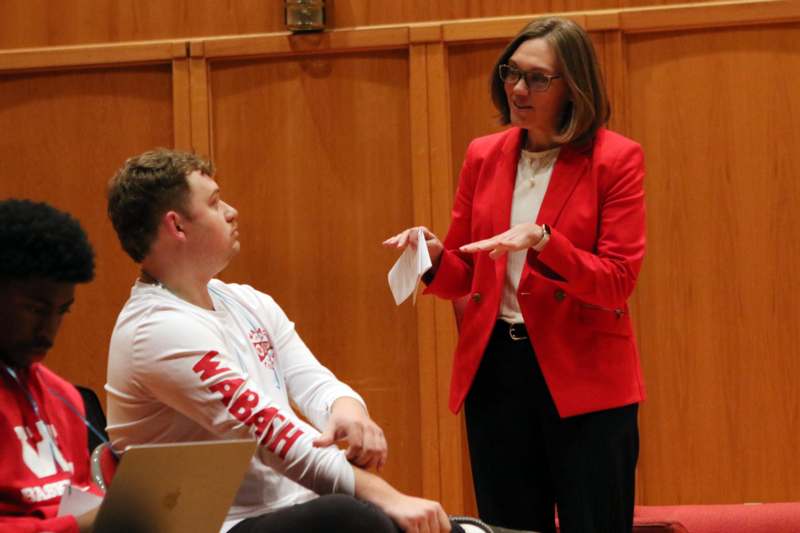
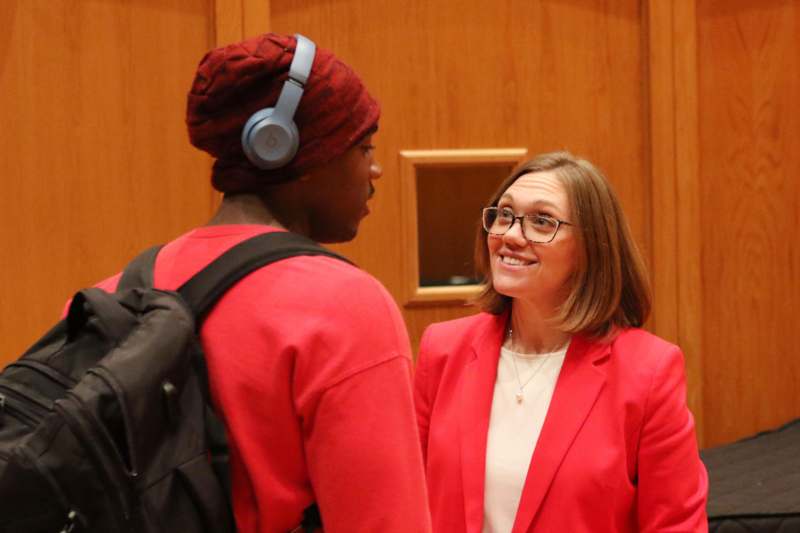
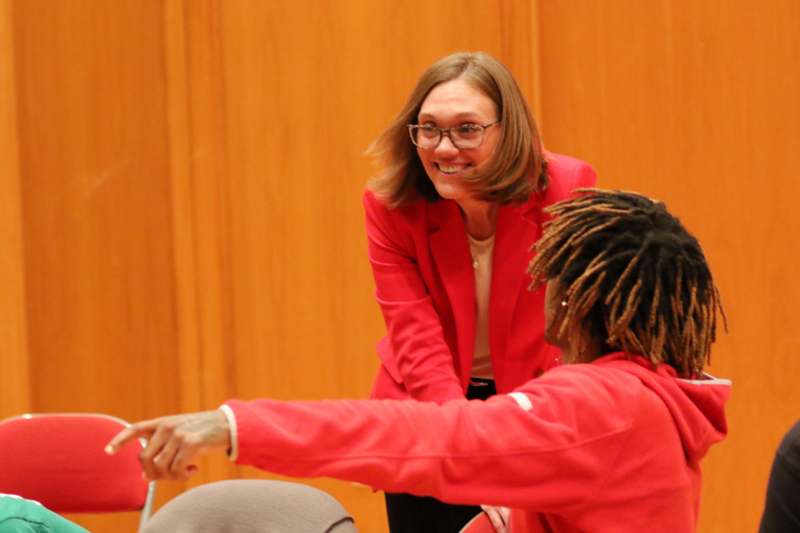
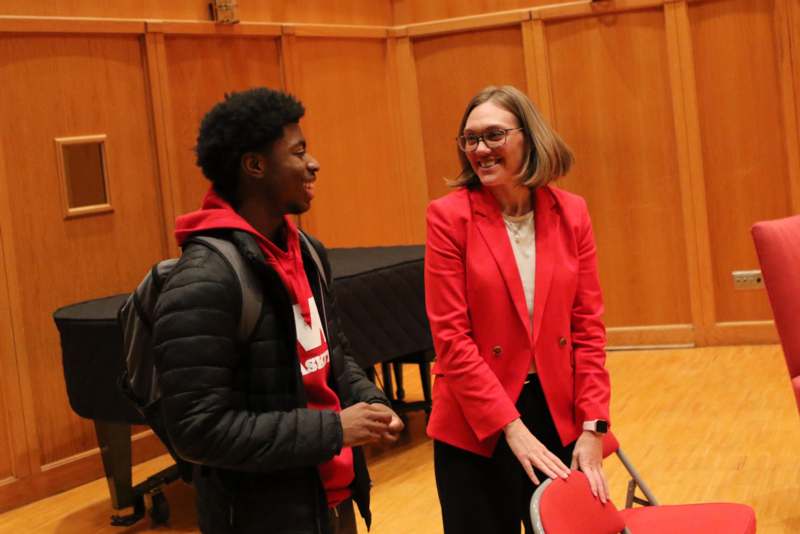
“The role-playing games I use in this class require students to learn and apply the material from ancient texts,” said Sara Mehltretter, professor of rhetoric. “Wabash students are always up for a challenge, and I find they jump right in, working to master the elements of rhetorical theory and philosophy so that they can press their advantages in the game's debates.”
“It didn’t feel like homework,” Kinnaman said. “When I go into a text, it’s different than any other reading for any other class, because, well, I want to win.”
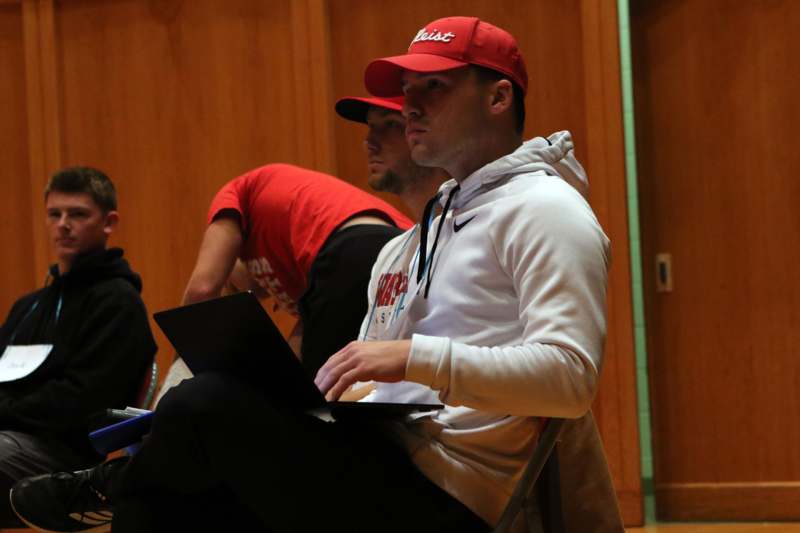
The Chinese tradition of bian, or argumentation, demands that students defend their positions while engaging with others’ arguments in real time. There’s no prep time.
As Kinnaman noted, “It’s like, ‘what are you gonna say?’ It’s live debate. You could tell which guys were prepared compared to others because, as we learned, there is no substitute for preparation.”
 Tolbert described rhetoric as “the art of persuasion,” and the game actively puts this in play. Students learned to actively listen, strategically respond, and use philosophical concepts as rhetorical weapons. As king, he learned to engage, take recommendations, and make decisions.
“I wanted to make sure I heard everybody,” he said. “I wanted to communicate and be firm in my decisions. You can’t respect the person in a position of power if they’re too feeble to make decisions. I wanted the balance where we could laugh and make decisions. I was in a position to do that, and I enjoyed it.”
In game debrief sessions, Mehltretter facilitates students reflecting on Chinese rhetoric in context, as well as how to think and conceptualize rhetoric more broadly.
“Students not only know this, but also experience, rhetorical constraints and opportunities during the game,” she said. “They begin to consider what the constraints and opportunities are for ancient, for historical, and contemporary societies.”
The impact extended beyond academics. The game inspired Kinnaman’s fraternity to plan a murder mystery event for their Christmas semi-formal, applying the RPG format to social life.
More importantly, it changed how students viewed the learning itself.
“I’m not somebody who likes to get out and converse with other people,” Tolbert said. “This game for the first time, pushed me to learn how to communicate with students all across campus. The cooperation was a big deal.”