
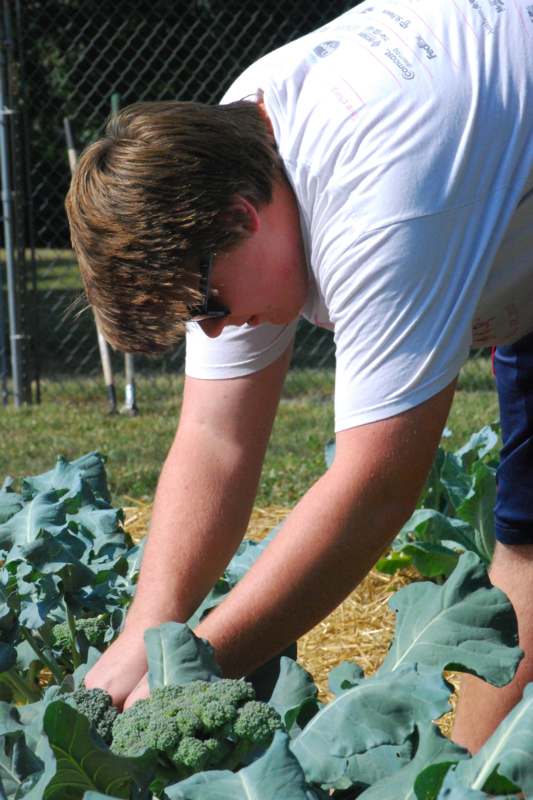
Division II Intern Chase Tichenor '13 harvests broccoli flowers at Monday's Weed N' Feed at the Wabash Community Garden.
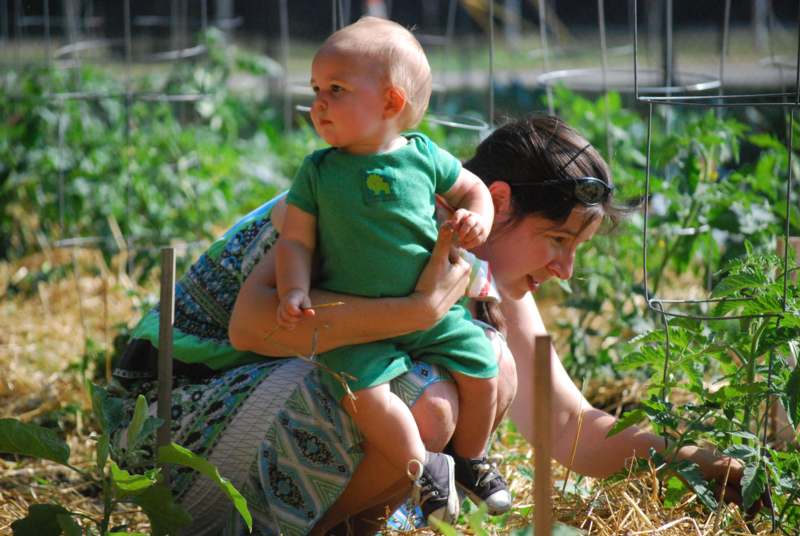
Carrie Olofson and daughter Sadie Olofson weed a tomato plant.
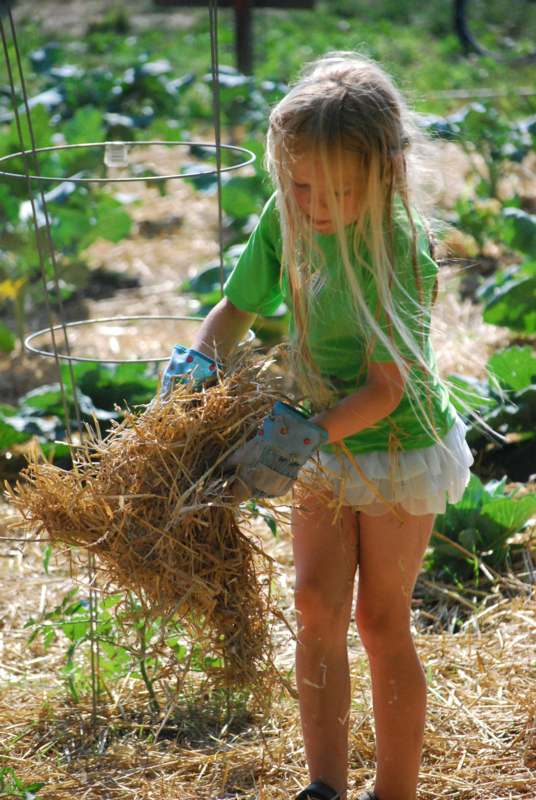
Zari Freeze lays down straw.
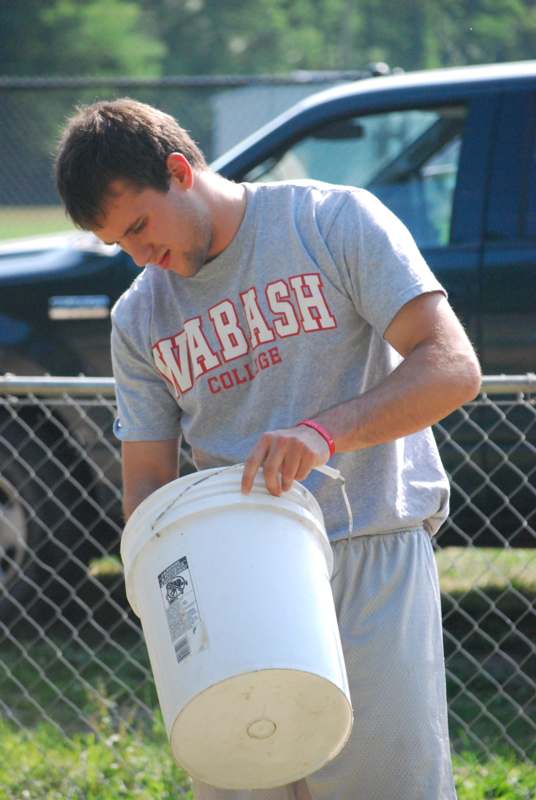
Jon Anleitner '14 puts down compost.
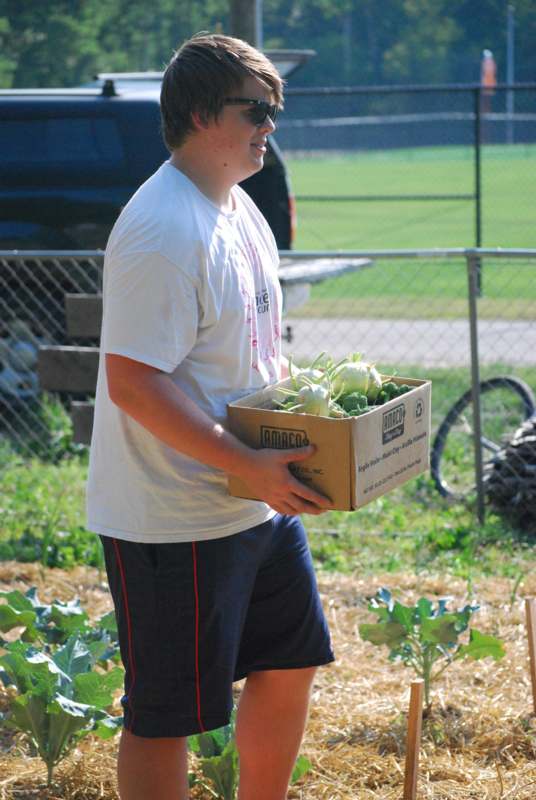
Division II Intern Chase Tichenor '13 carries harvested veggies.

Professor of Psychology Eric Olofson
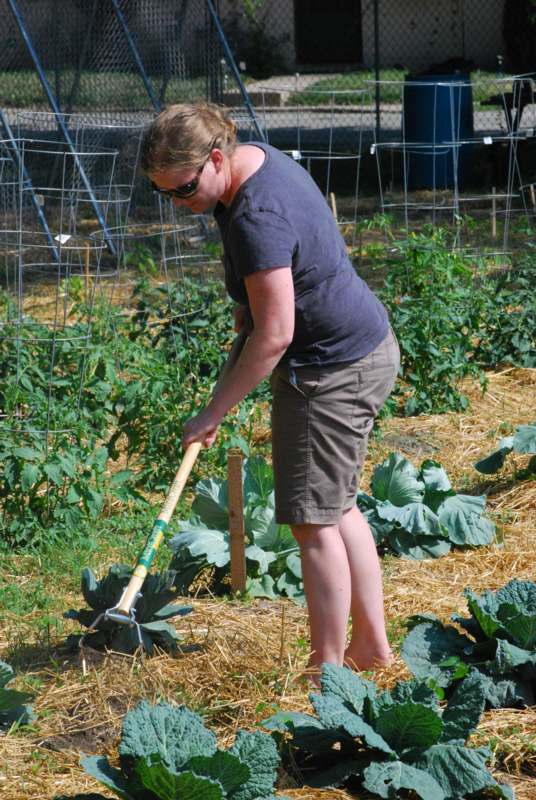
Professor of Physics Laura Kinnaman
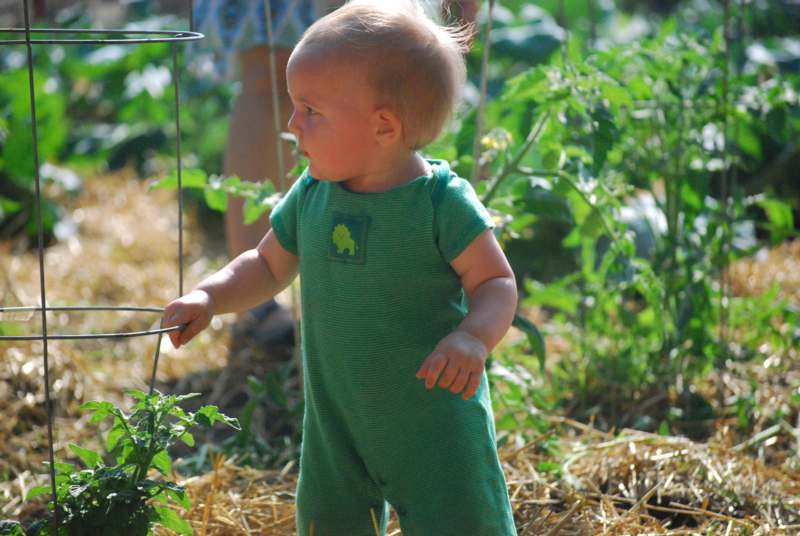
Sadie Olofson wanders the garden.
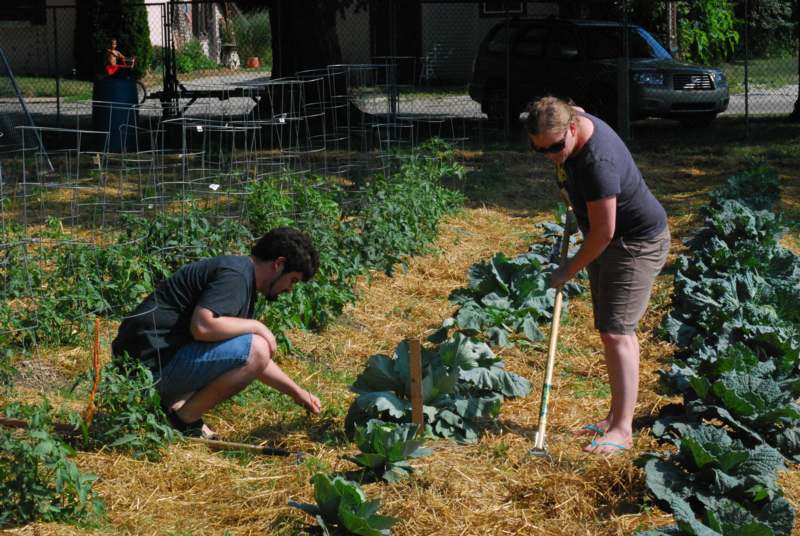
Bennett Snyder and Professor Laura Kinnaman
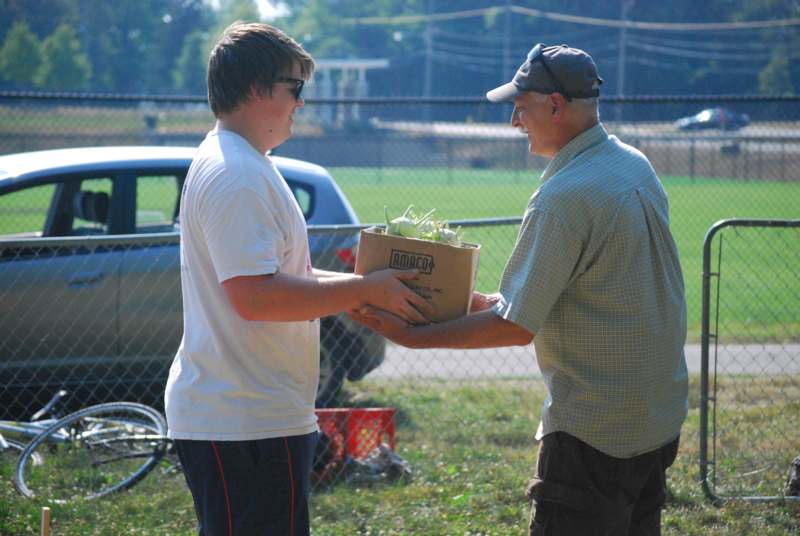
Division II Intern Chase Tichenor '13 hands harvested vegetables off to Professor of Art Doug Calisch. The vegetables will then be donated to Food Finders of Lafayette, IN.

Professor of English Eric Freeze gets a workout at the Community Garden.
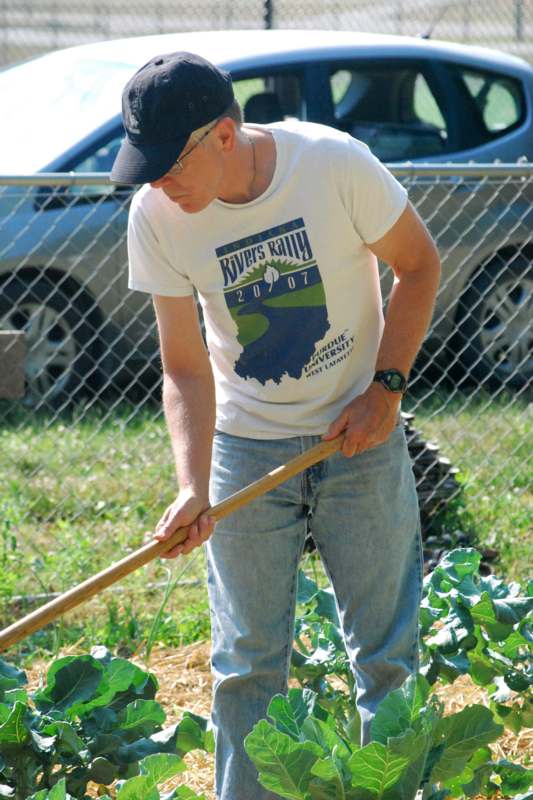
Professor of English Marc Hudson
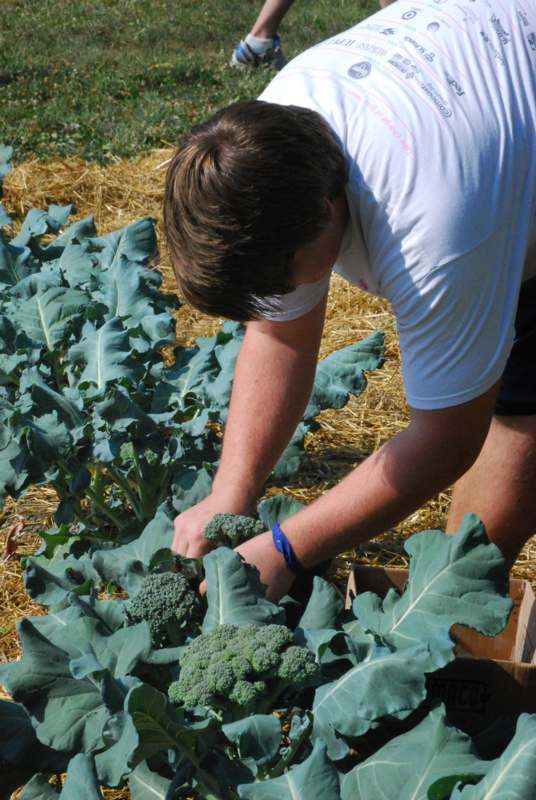
Division II Intern Chase Tichenor '13 harvests broccoli flowers.
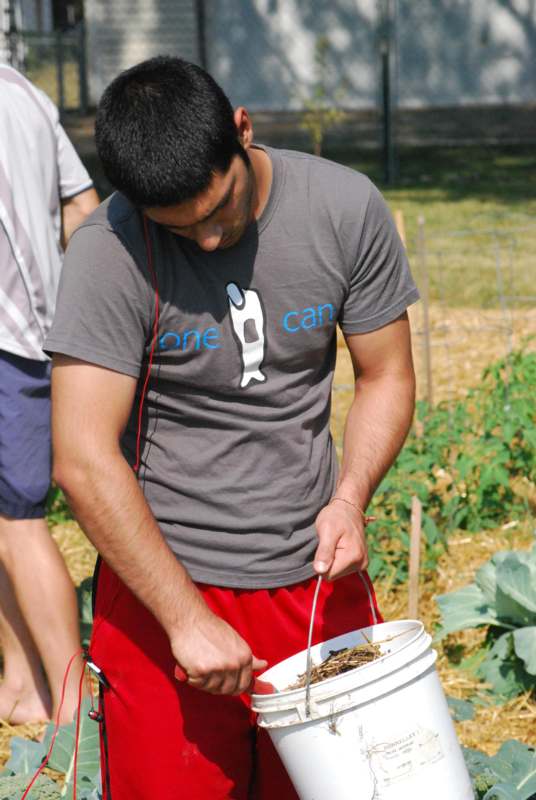
Naz Tohki '14 puts down compost.
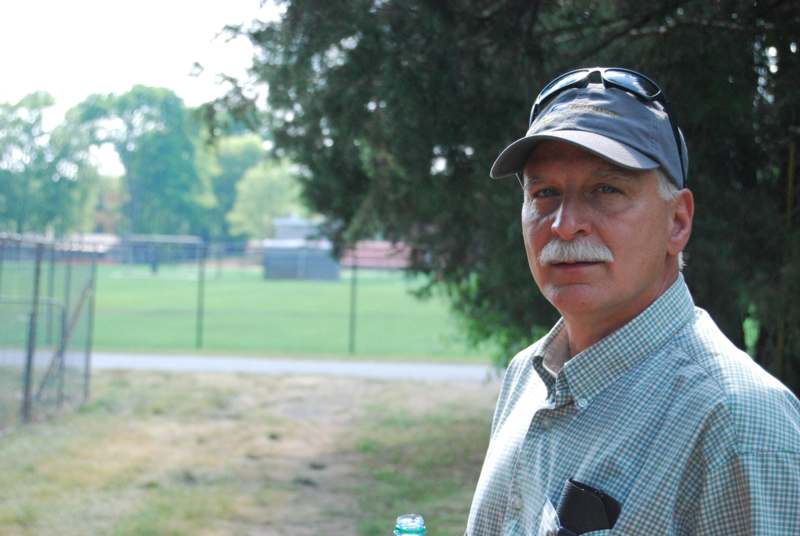
Professor Doug Calisch
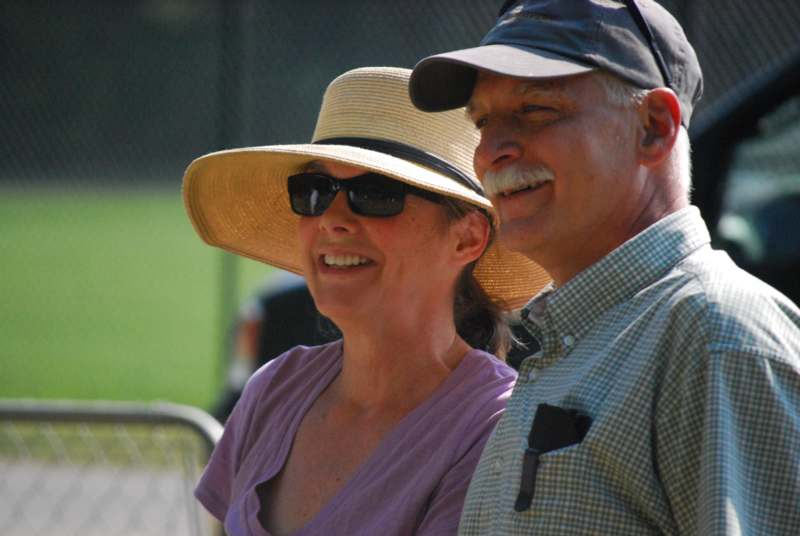
Laura Conners and Professor Doug Calisch survey the garden.
At Monday’s Weed n’ Feed in the Wabash Community Garden at Mud Hollow, Professor Doug Calisch talked about the history and necessity of small gardens.
“Having a garden used to be part of what made you a good American,” Calisch said. “During World War II, Victory Gardens were integral parts of nearly every community, providing food to millions. It’s not a perfect analogy to our garden, but it’s close.”
There is an aesthetic beauty to the plot; the neat rows of plants harken back to the day when pioneers cleared patches of hardwoods to feed just themselves and their families.
Luckily these are aesthetics you can eat.
Division II Intern Chase Tichenor ’13 knelt by the broccoli plants and cut off the flowers with a pocket knife, putting them into a cardboard box. From there the vegetables will be sent to Food Finders of Lafayette, a multi-county organization that provides food for impoverished families—some of whom live in Montgomery county.
Calisch demonstrated the stirrup hoe—named for the triangular blade that resembles the stirrups of a horse saddle. He dragged the hoe between rows of broccoli and cauliflower plants. A cloud of dust rose up from the freshly formed ditch, revealing dark soil beneath the dry top—a sure sign that we are heading into a drought. Behind the blade a small pile of green shoots was easily loosened from the soil.
The garden has been difficult to maintain during the past month. Tichenor waters the garden regularly. His efforts are apparent: The rows of vegetables are green and growing with only a slight curl to the leaves.
But the lack of water is not all bad. When it comes to weeds, growth is inevitable, but the dryness has stunted them. Two weeks of heavy rainfall would produce weeds a foot high, most weeds this time around were only a few inches off the ground—but they were there. And so we were there to tend the garden.